RSS

What if Your Next Move Wasn’t Just a Change of Address?

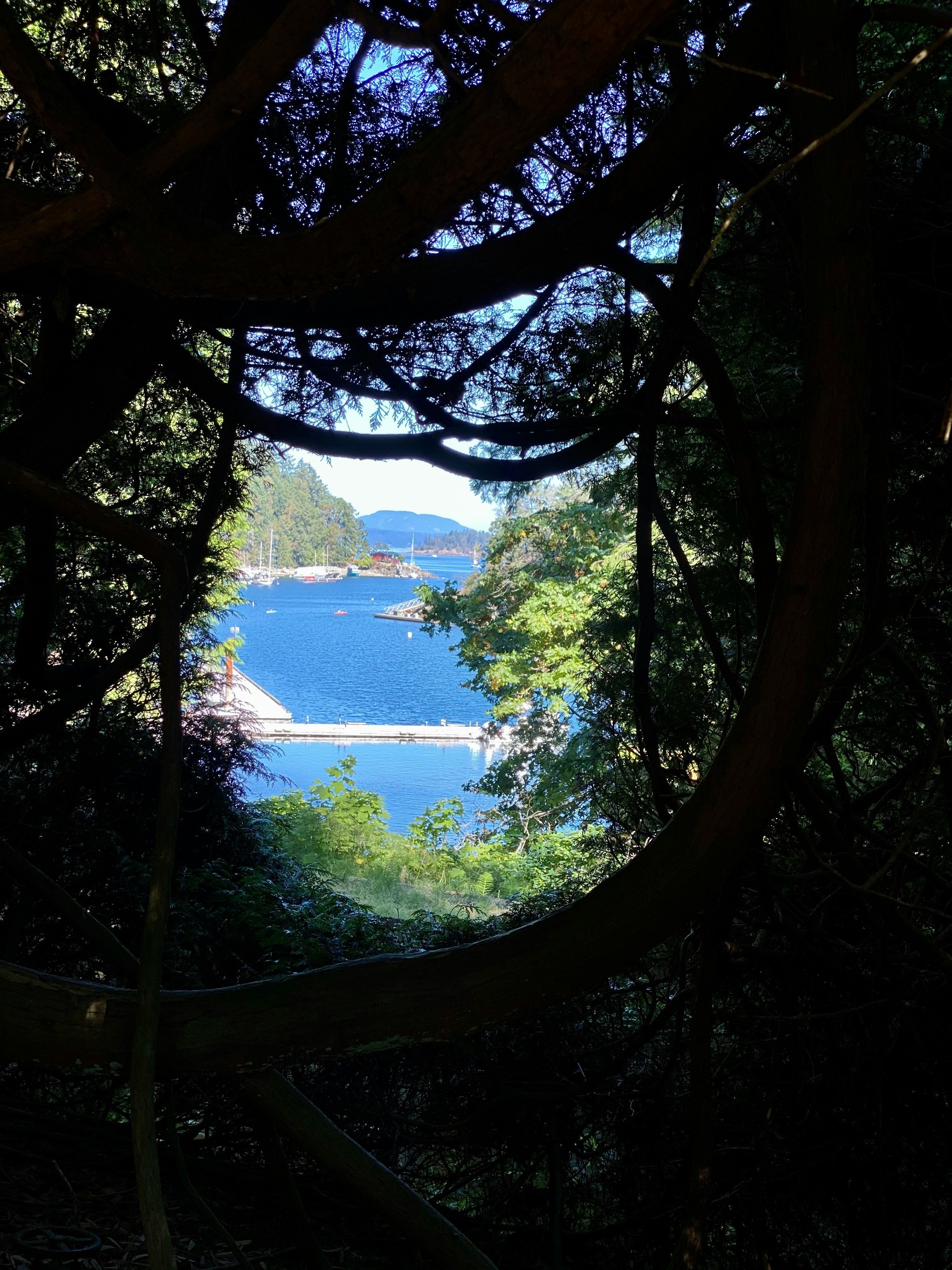
     Moving isn’t just about finding a new address. It’s about figuring out where you’ll feel at home. Maybe you’re dreaming about morning walks by the water, a little more space, a stronger sense of community, and still being close enough to Victoria when you need it. That’s the appeal of the Saanich Peninsula.

     But relocating here is about more than finding a beautiful home. It’s about finding the right pocket of the Peninsula for the way you actually live. Each community has its own personality, pace, amenities, and lifestyle. As a local real estate professional, I help people look beyond the listing photos and understand what living here can really look like — so they can make a move they’ll feel good about long after the keys are handed over.

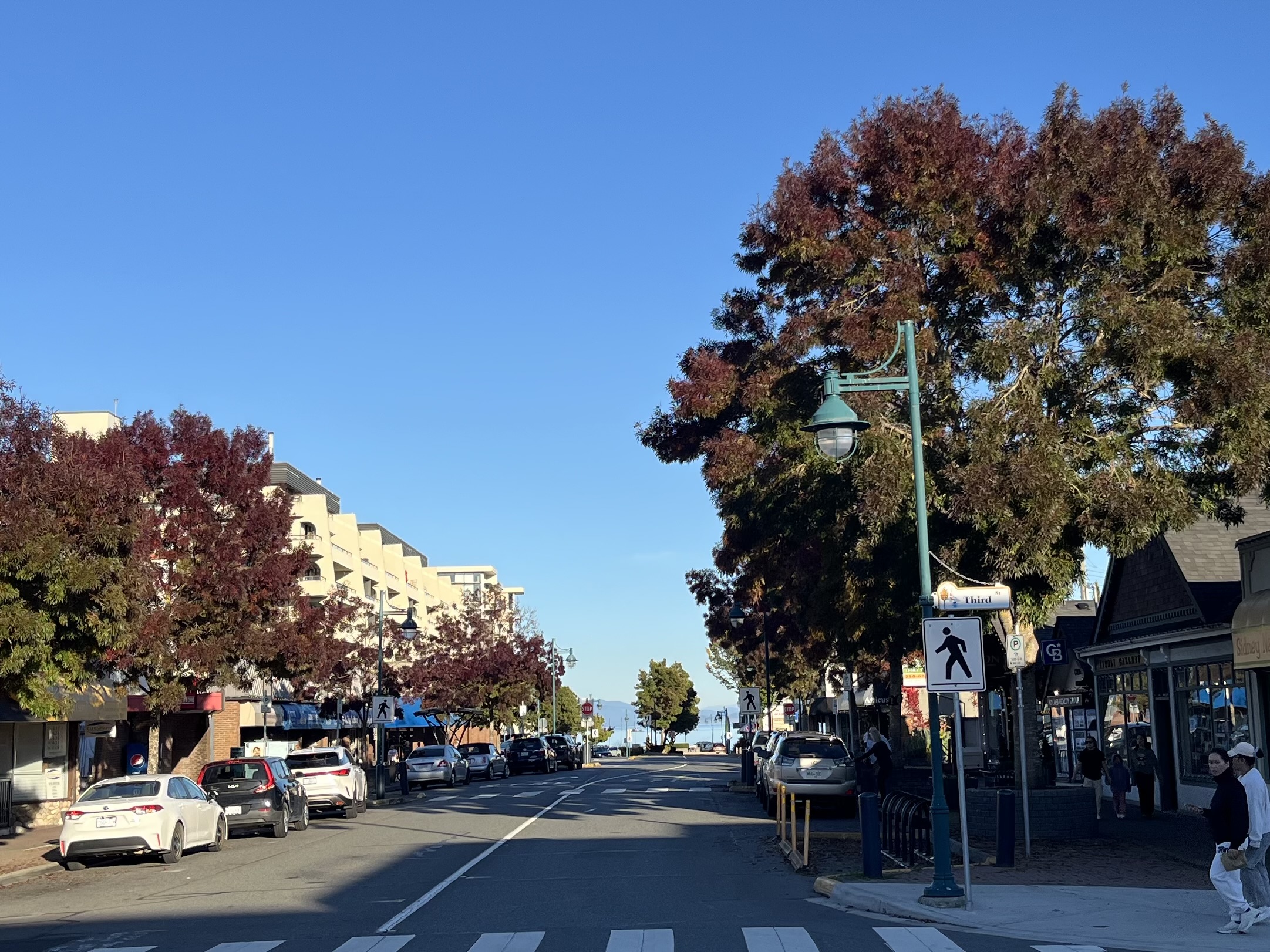
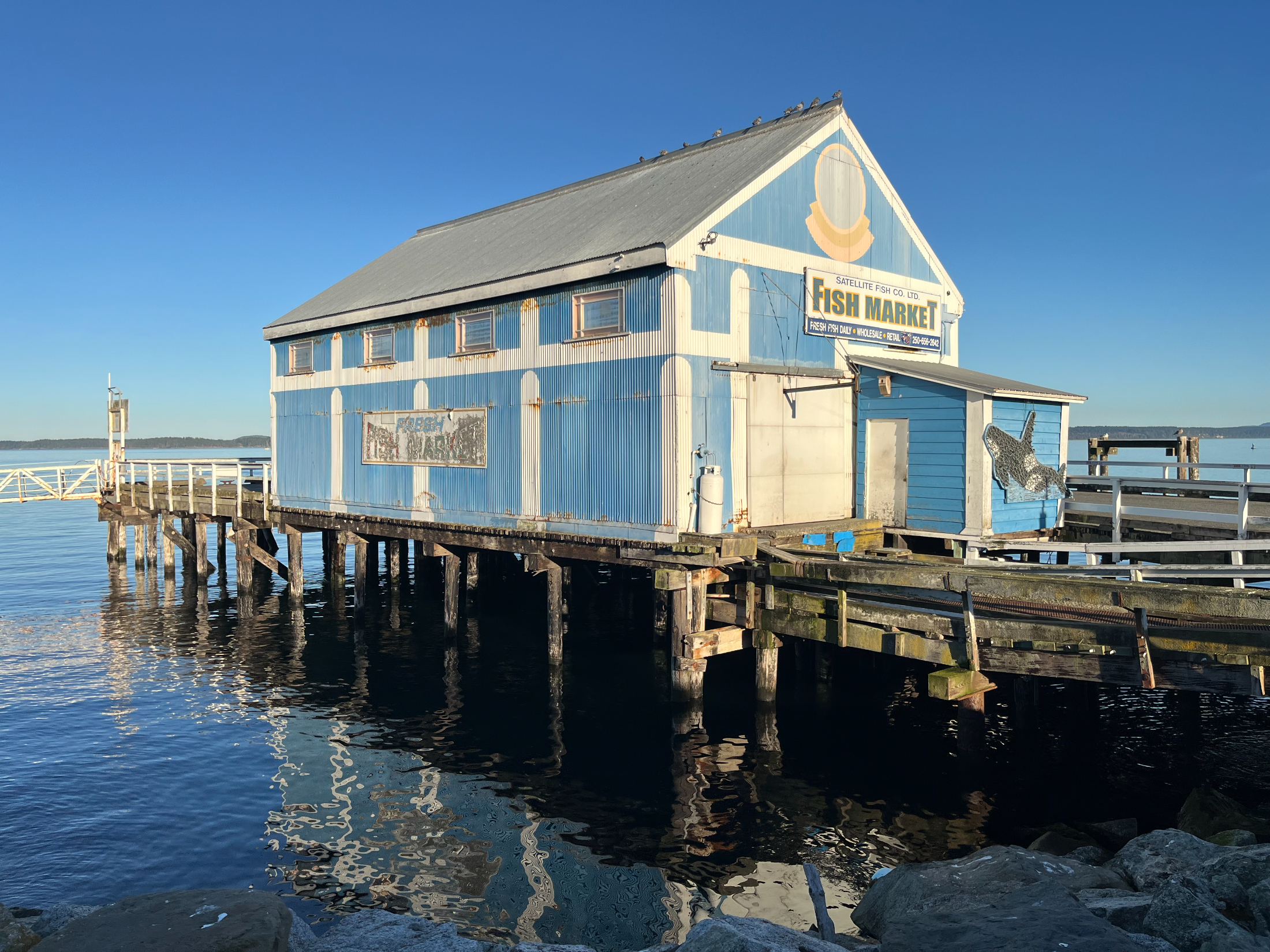
📍 Sidney is a small, seaside town known for its strong sense of community, walkable downtown, accessible waterfront areas, and easy convenience to the Swartz Bay ferry terminal and Victoria International Airport. It has many boutiques, delicious local dining options, and is the commercial and social hub for the northern part of the Peninsula. The Mary Winspear Theatre hosts plays, musicals, and concerts throughout the year plus acts as a venue for banquets and events. Star Cinema is Sidney’s independent movie theatre and the Sidney Pier Hotel is a beautiful boutique hotel and spa located on the waterfront. From the real estate perspective, Sidney has a mix of detached homes, townhomes, and condos, some of which are waterfront or ocean-view properties. There are both well-established and new strata properties. The population is made up largely of downsizers and retirees, but the well-developed parks, playgrounds, and pathways have young families calling Sidney home, too. Sidney is a place for someone who desires coastal living at a slower pace without sacrificing top notch amenities. If you want to get your errands done on foot, recognize people while you walk the main avenue, and feel connected to your community then you will love Sidney.
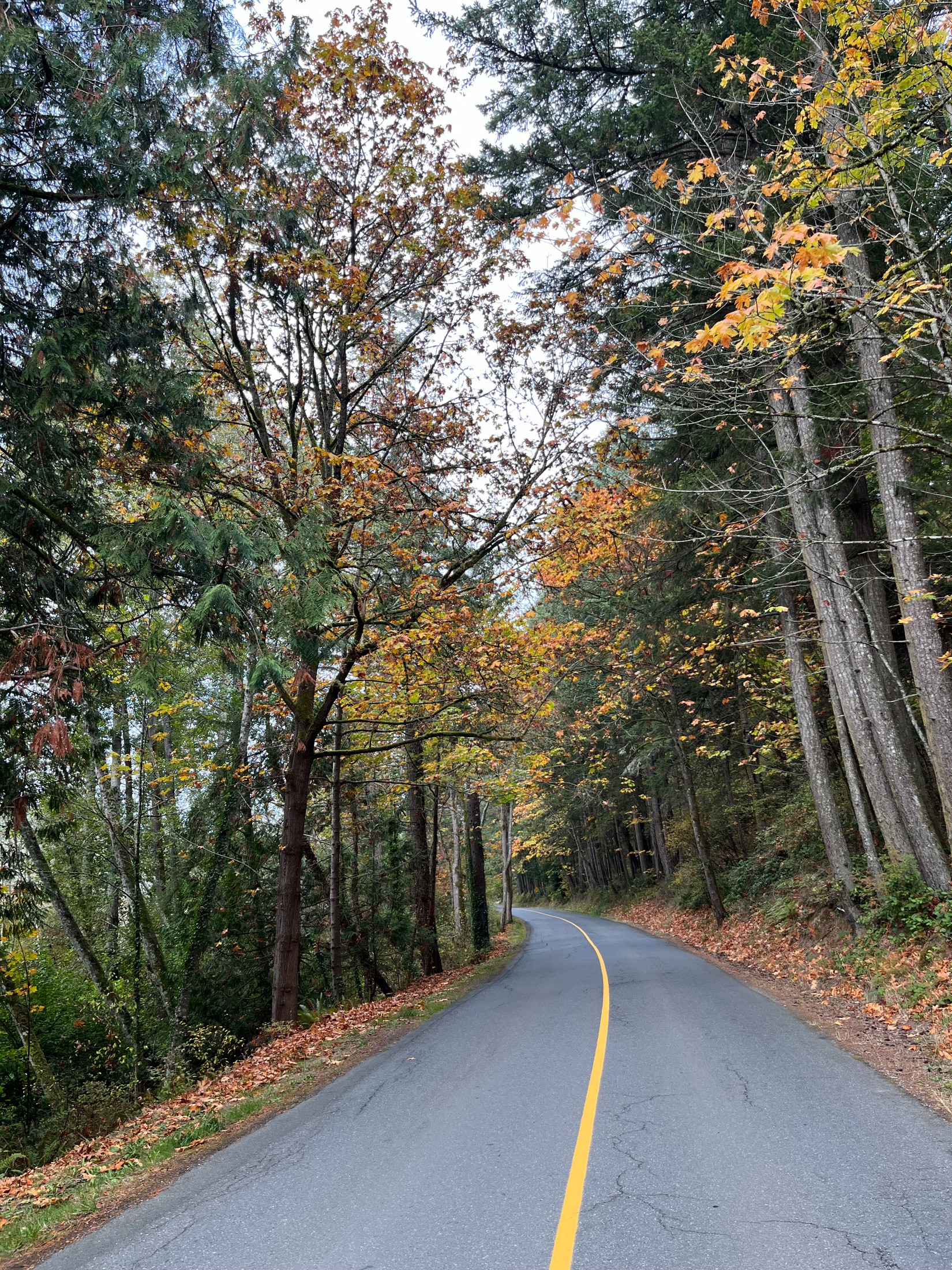
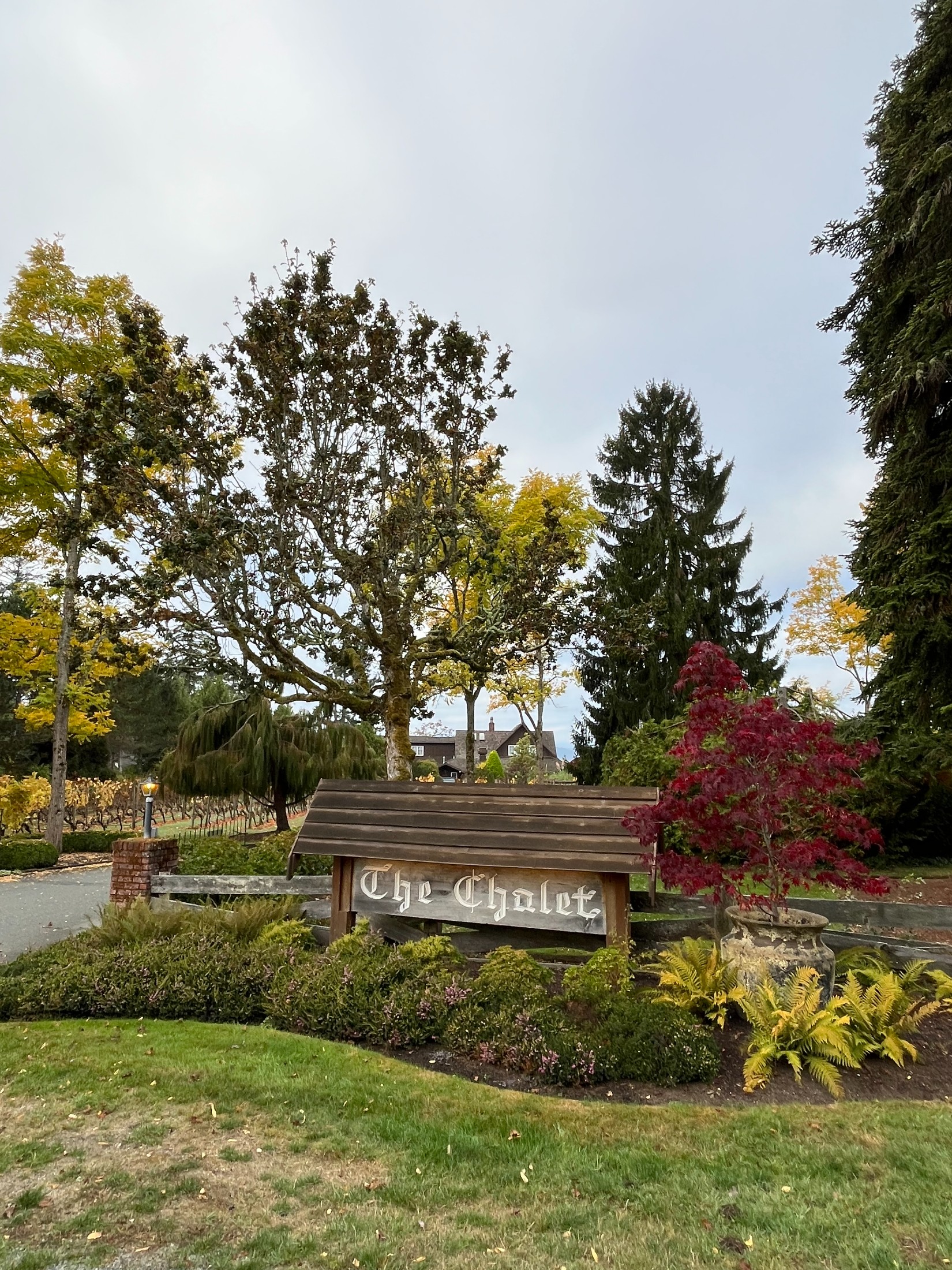
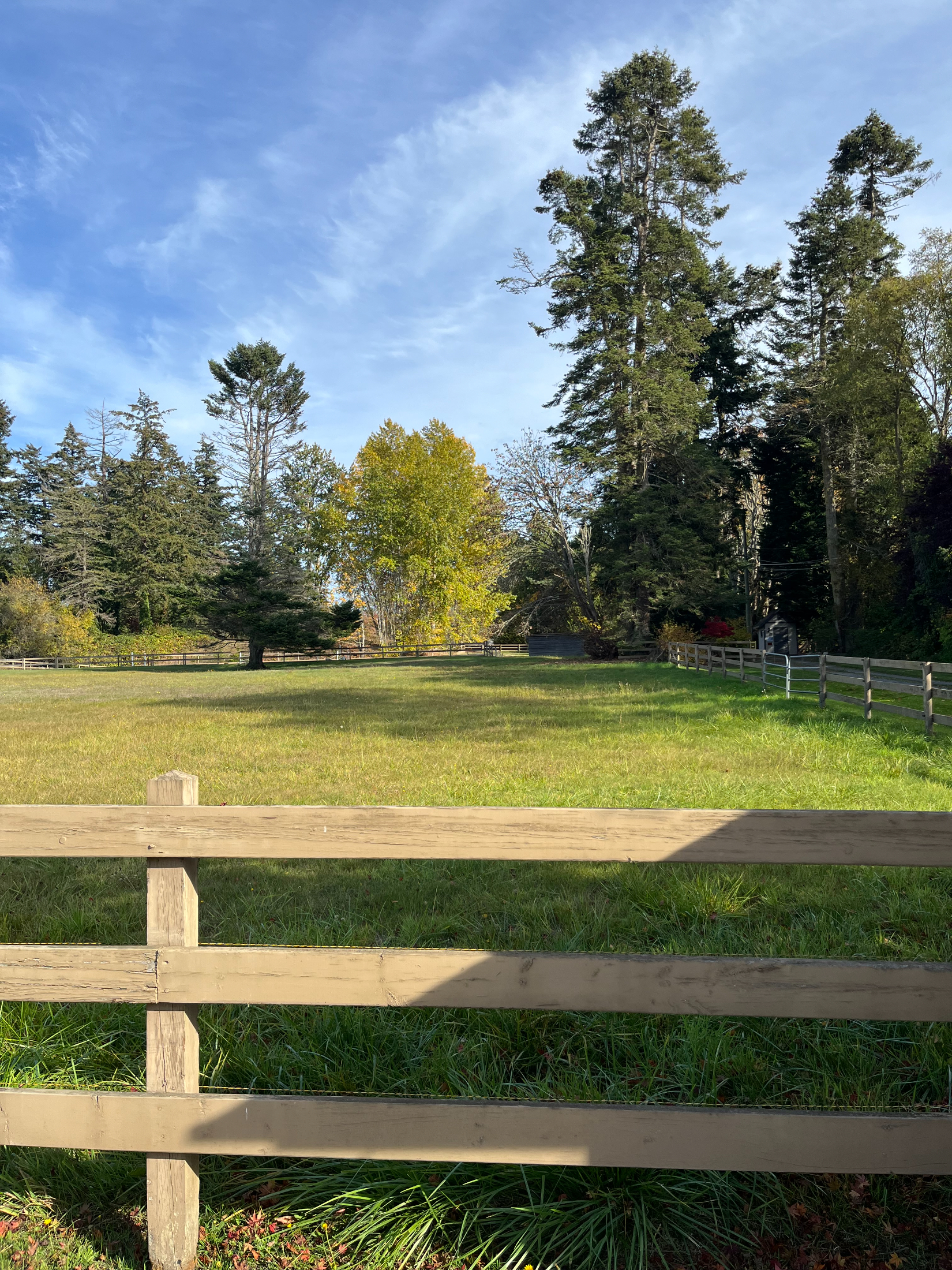
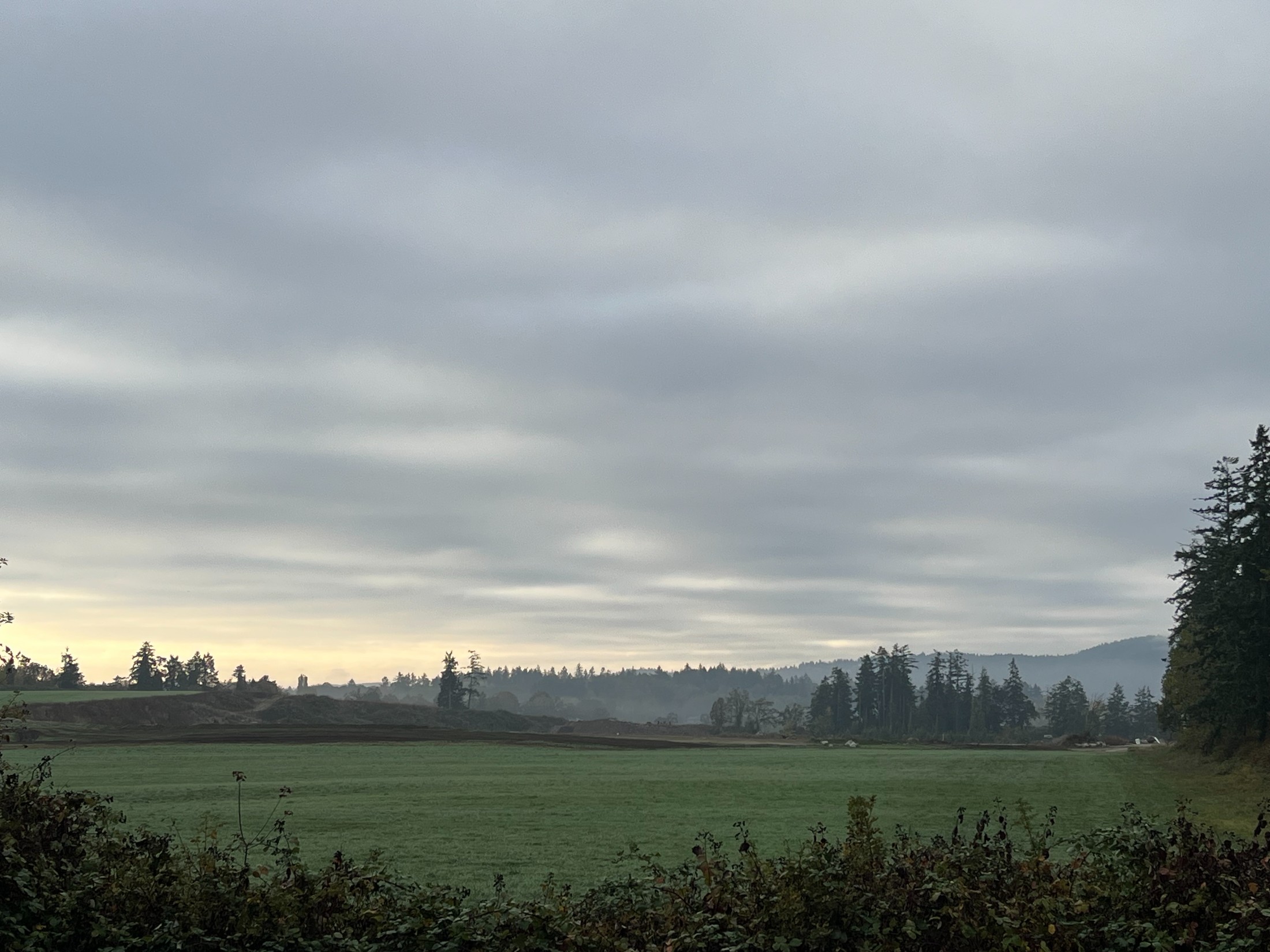
📍 North Saanich is a rural-residential community known for its farms, equestrian properties, mix of field and forest, plus the 40km of shoreline that surrounds it. If Sidney feels like a charming seaside town, North Saanich feels more like country living by the ocean. If Sidney is “walk to dinner and the waterfront,” then North Saanich is “walk out your back door and breathe.” The area is filled with beautiful acreages, winding rural roads, multiple secret beach accesses, and coastal views. It has at least 34km of trails for riding horses, walking, and cycling. John Dean Provincial Park and Horth Hill Regional Park lie within North Saanich providing exceptionally easy access to incredible west coast hiking trails. With shoreline on three sides and multiple marinas, it is heaven for water lovers. Many homes have their own private deep water moorage. The Fickle Fig Farm Market, the Fox and Monacle Cafe, and the Roost Farm Winery, Bakery, & Bistro all lovingly prepare homemade treats that showcase fresh, local produce and the historic Deep Cove Chalet’s exquisite oceanside dining proves you don’t need to drive into the city to enjoy a five star meal. North Saanich neighbourhoods such as Dean Park Estates, Deep Cove, Lands End, Ardmore, Cloake Hill and Curteis Point provide a variation in lifestyle. A waterfront home in Deep Cove provides a completely different experience than a farm at the end of a no-through road. The Victoria International Airport and the BC ferry terminal are both located in North Saanich, yet with approximately 35% of the district belonging to the Agricultural Land Reserve, it is very difficult to remember how connected the community is. North Saanich offers more privacy, spacious properties, plenty of farms and gardens, and the kind of peace and quiet that gets harder and harder to come by.
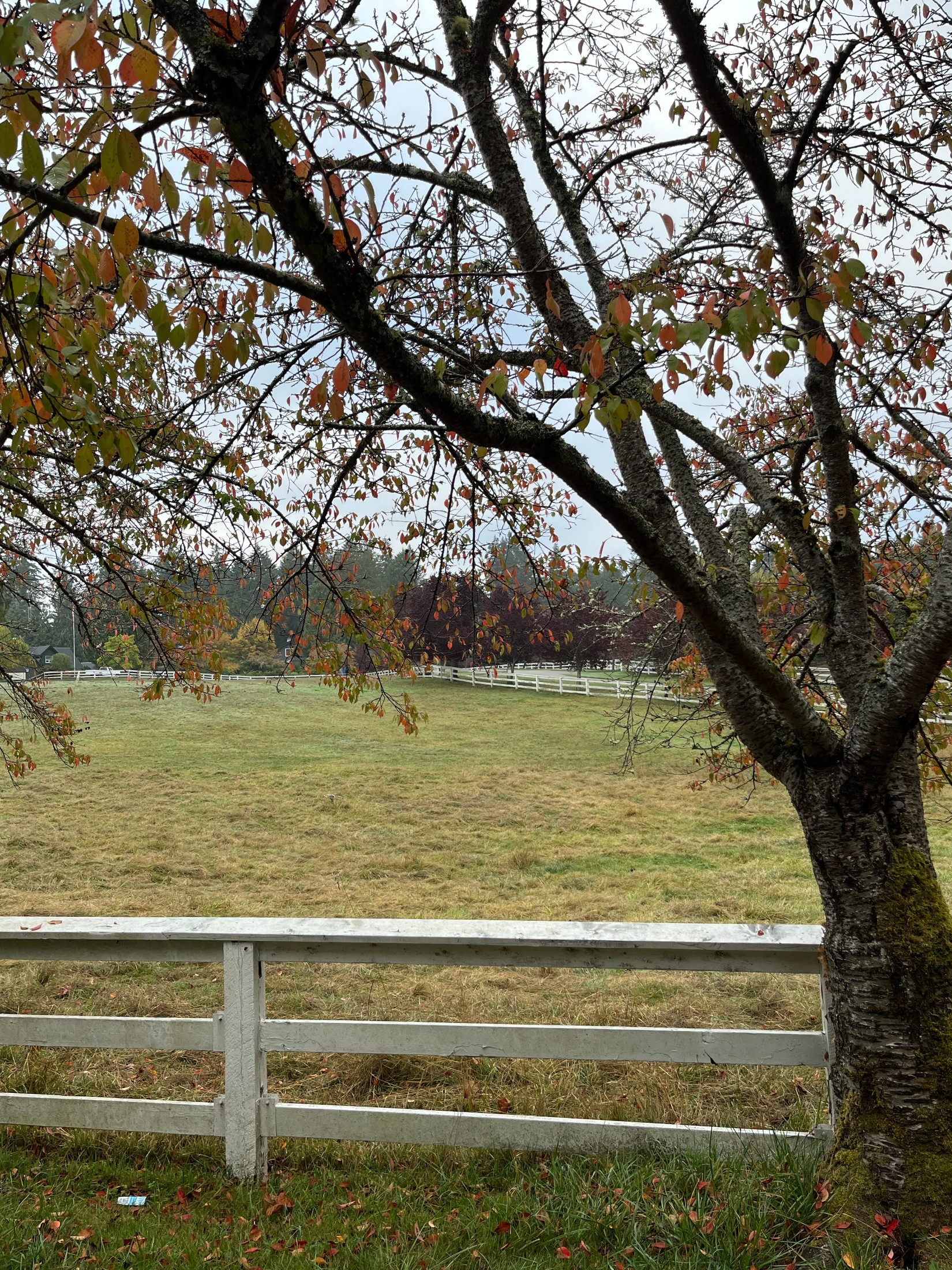
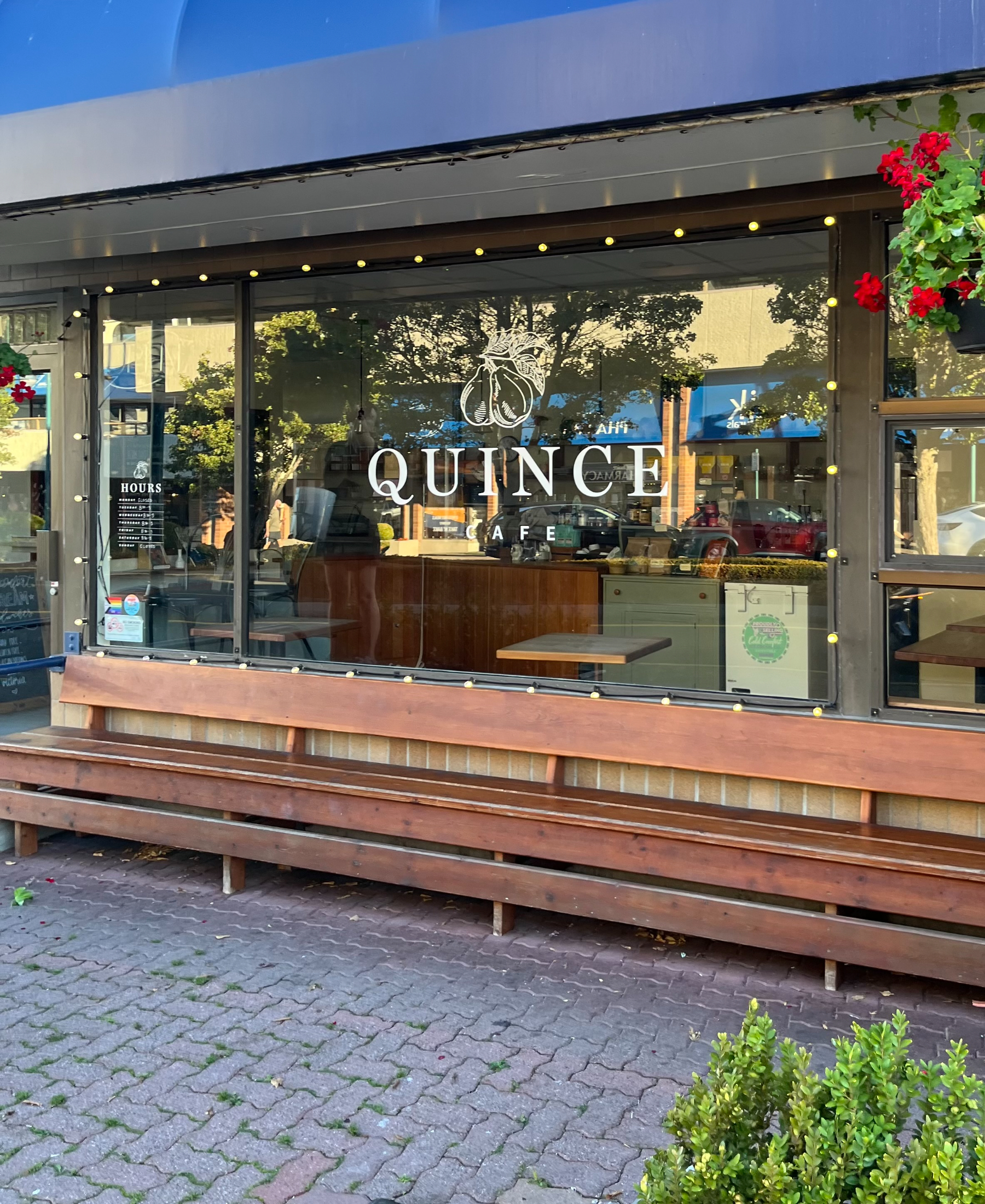
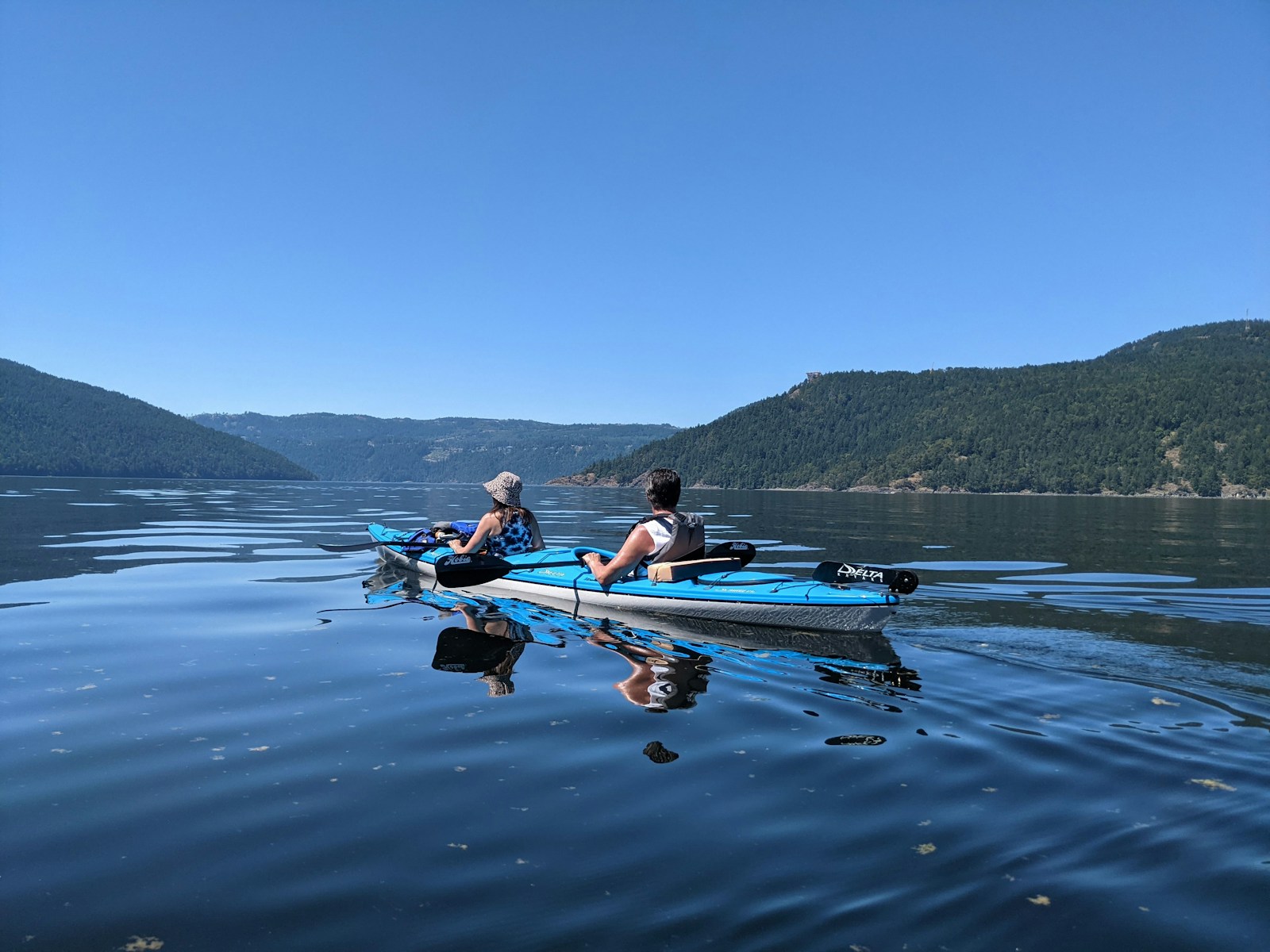
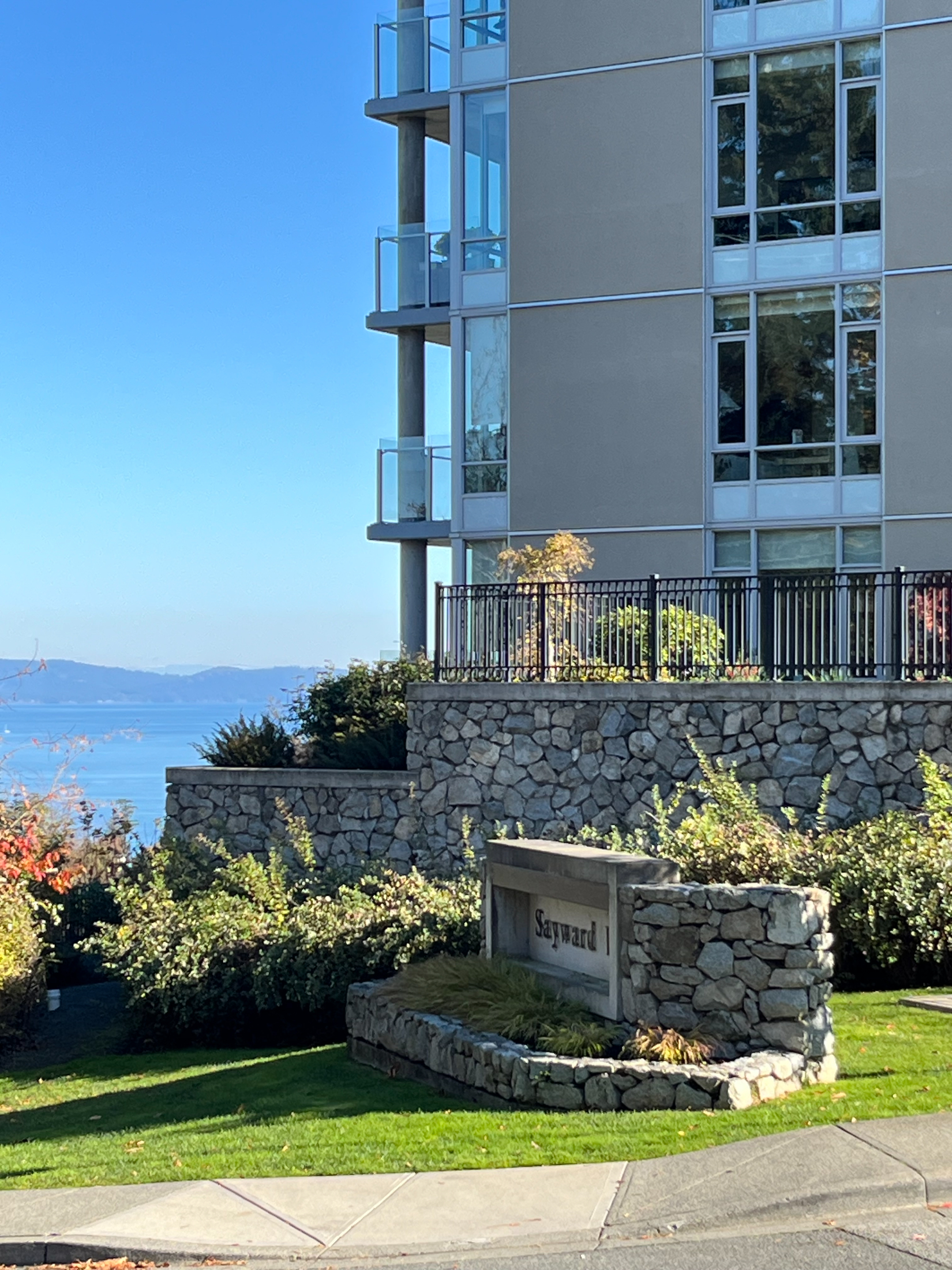
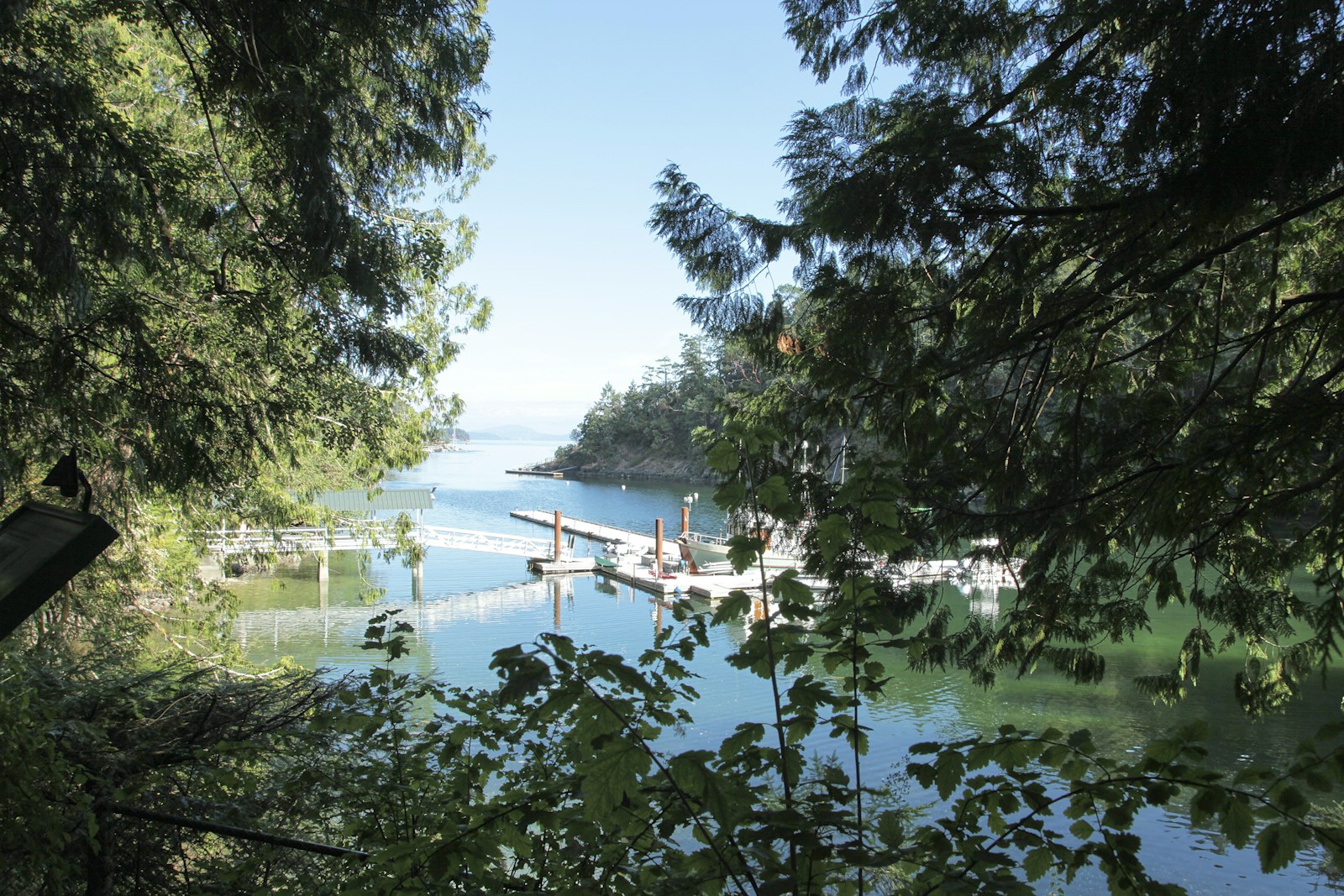
📍 Brentwood Bay blends a quiet village community located on the Saanich Inlet with adjacent rural properties. The walkable village core has all essential services, dining establishments, a seniors’ activity centre, and a public library. On the opposite side of the Saanich Peninsula from Sidney, Brentwood Bay boasts a much more varied demographic profile, with a more evenly distributed population and a wider mix of age groups. The beaches on this side of the peninsula offer calmer, protected waters for kayaking, sailing, and paddleboarding. The Brentwood Bay Marina is an upscale marina attached to the luxurious Brentwood Bay Resort and Spa which provides boutique west coast lodging. Gowlland Tod Provincial Park provides scenic trails for hiking and exploration with beautiful places to swim and picnic. Residents in Brentwood Bay enjoy a quiet pace of life, a tight-knit community, and yet are only 20 minutes from downtown Victoria. Many single family homes, townhouses, and condos are available; some with ocean views or directly on the waterfront. 
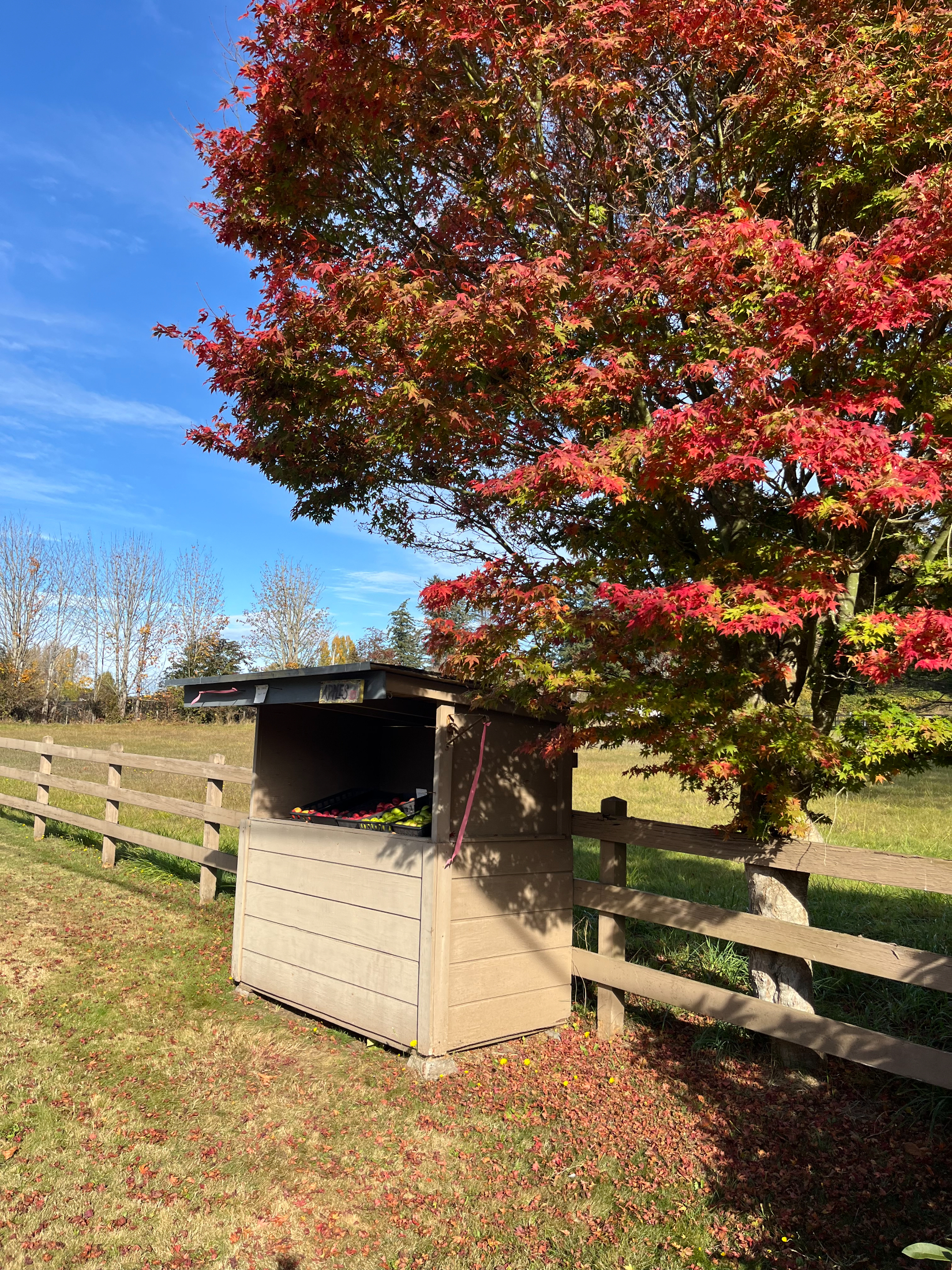
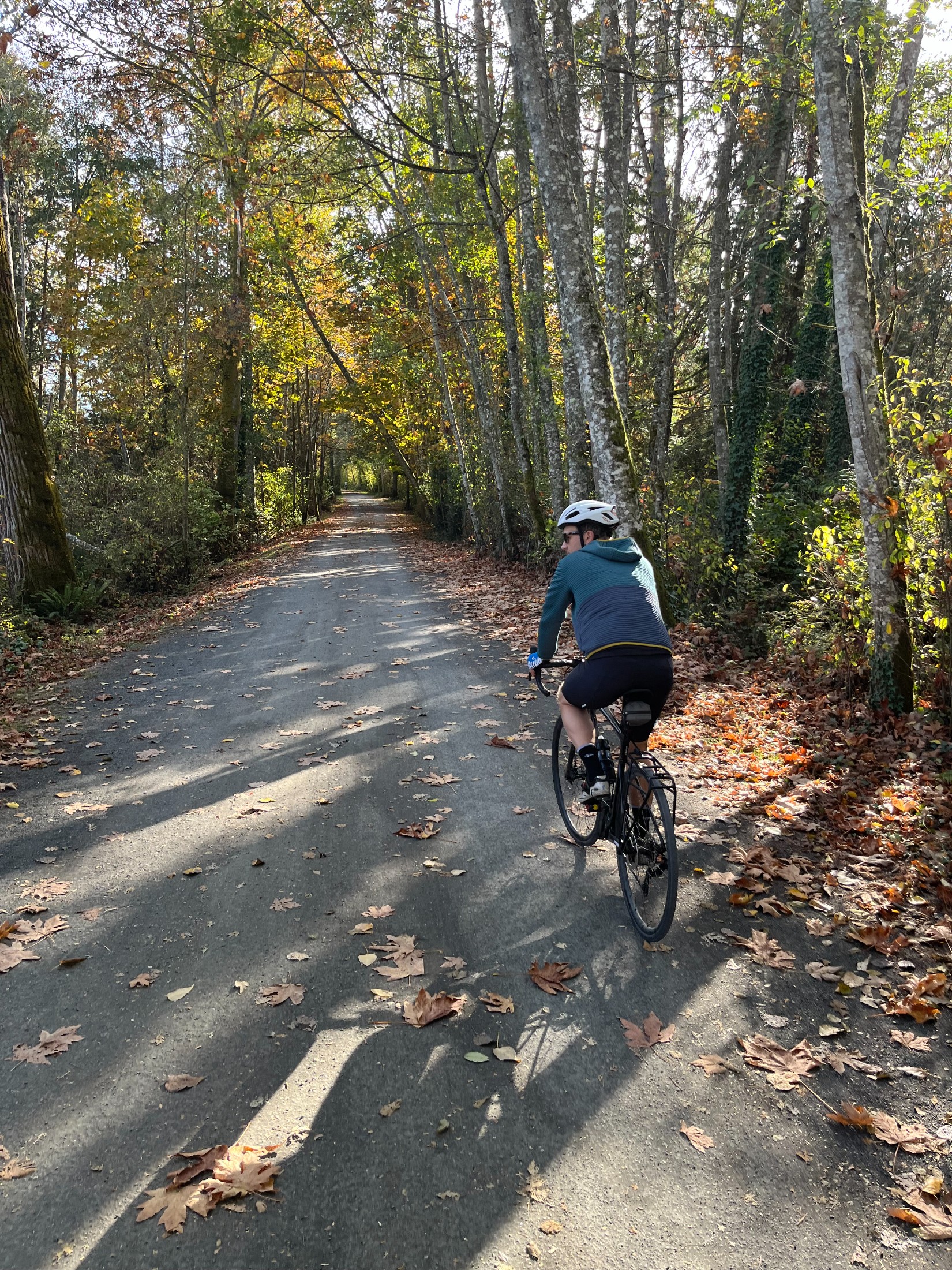
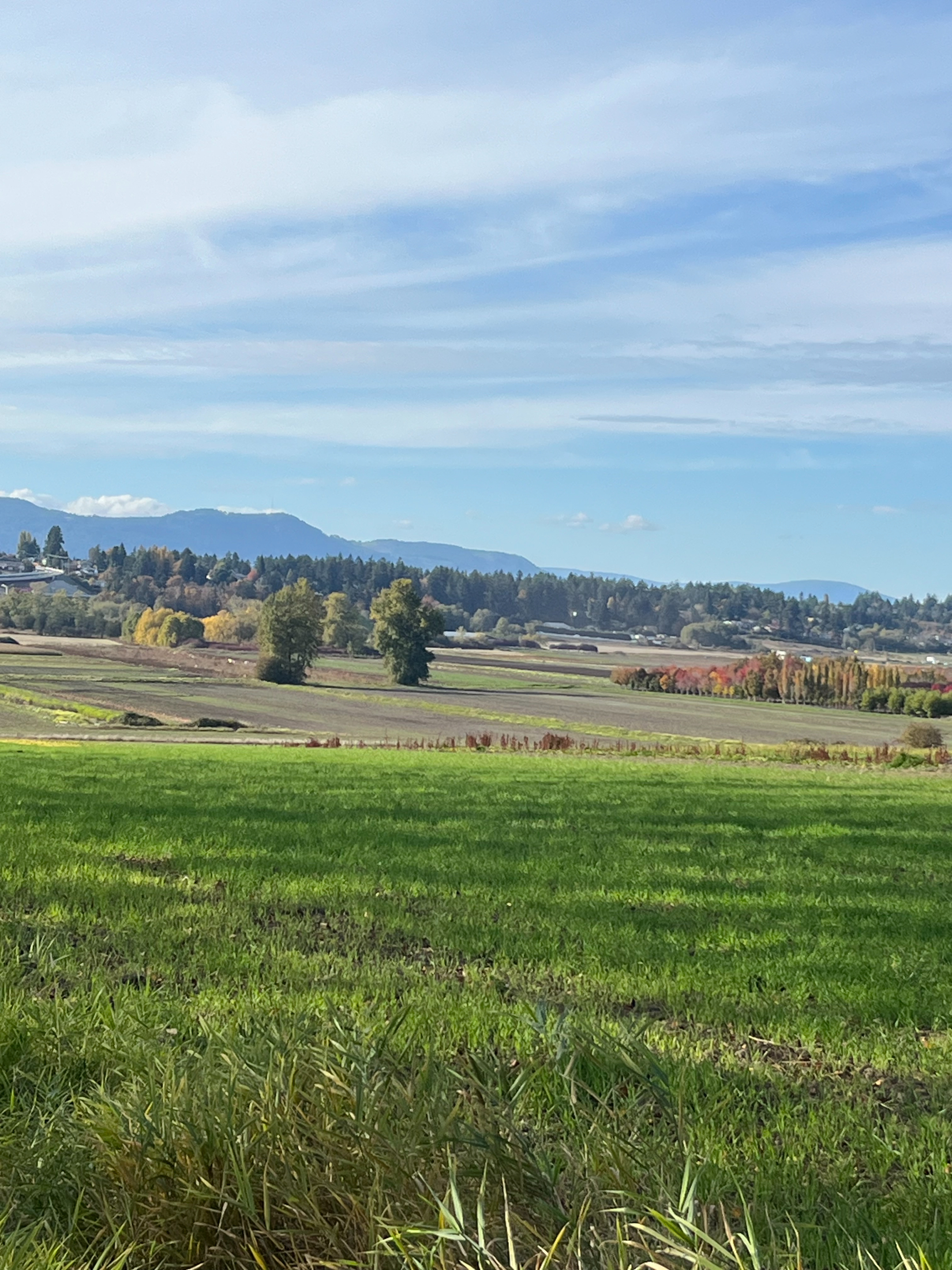
📍 Island View is an agriculturally-rich area within Central Saanich that stretches between the shoreline of Saanichton Bay and the forest of Centennial Park. Country homes, working farms, and equestrian estates create a patchwork quilt of fertile fields and rural coastal retreats. Acreages with spectacular views perch on the bluff overlooking Haro Strait to Sidney Island, James Island, and beyond to majestic Mount Baker. Below the bluff, Island View Beach Regional Park is a protected 48-hectare coastal conservation area with salt marshes, wetlands, and sand dunes that provide sanctuary for migratory birds. This beach is a favourite place for locals to picnic, paddleboard, and beachcomb when the tide is out. Lochside Trail, a multi-use pathway for cyclists, walkers, and horseback enthusiasts, is a popular trail running through the periphery of the farmlands and connecting the quiet country roads for further peaceful exploration. There are numerous farmstands to purchase fresh, local produce. Historic Michell’s Farm is a sixth generation family farm producing vegetables, fruit, honey, eggs, and pasture-raised beef. The area is car-dependent but Saanichton Village and Brentwood Bay are less than 15 minutes away. Island View is rural country living at its finest; plenty of space, privacy, fresh air, and quiet. You can hear the birds and see the stars out here.
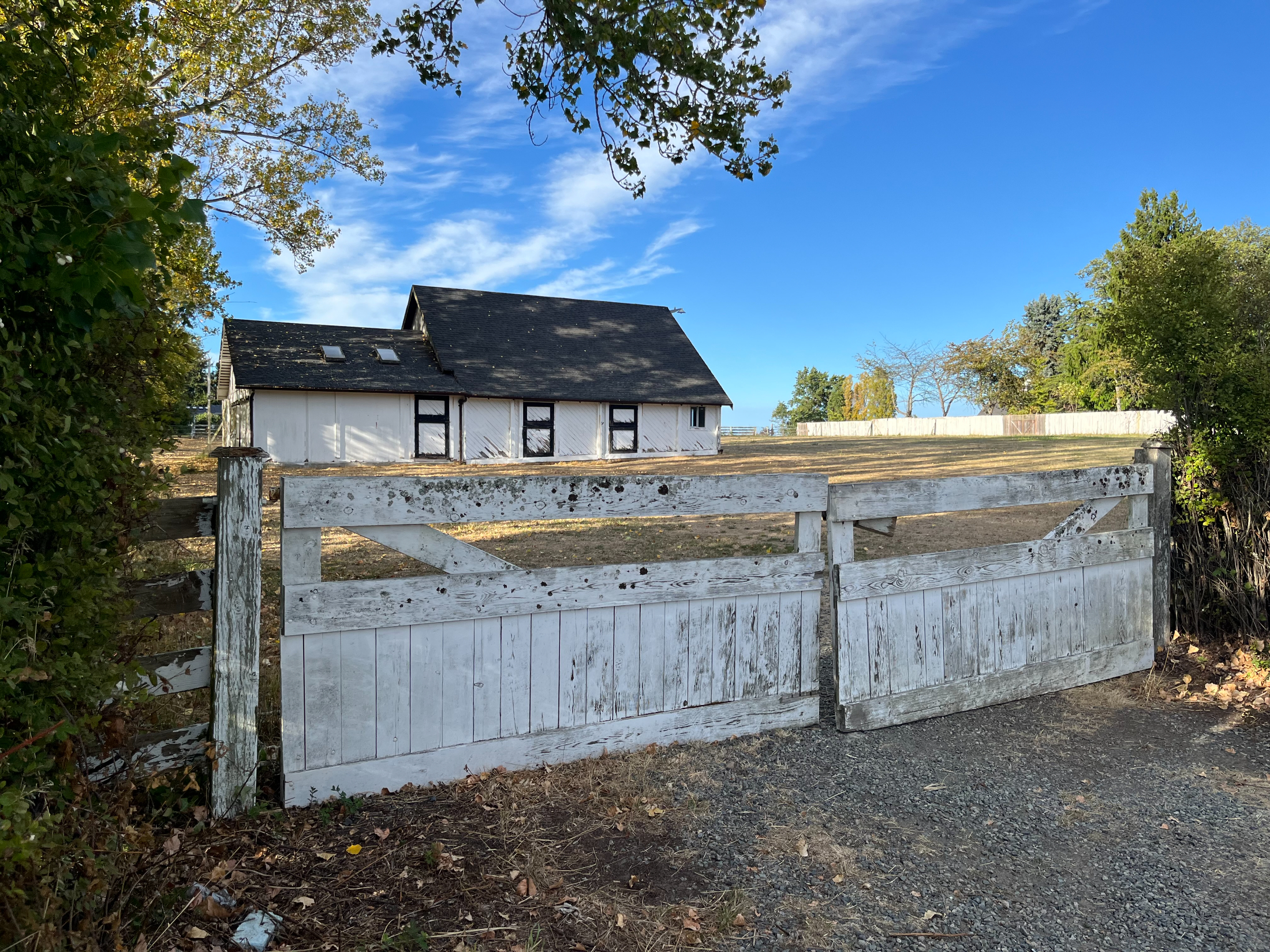
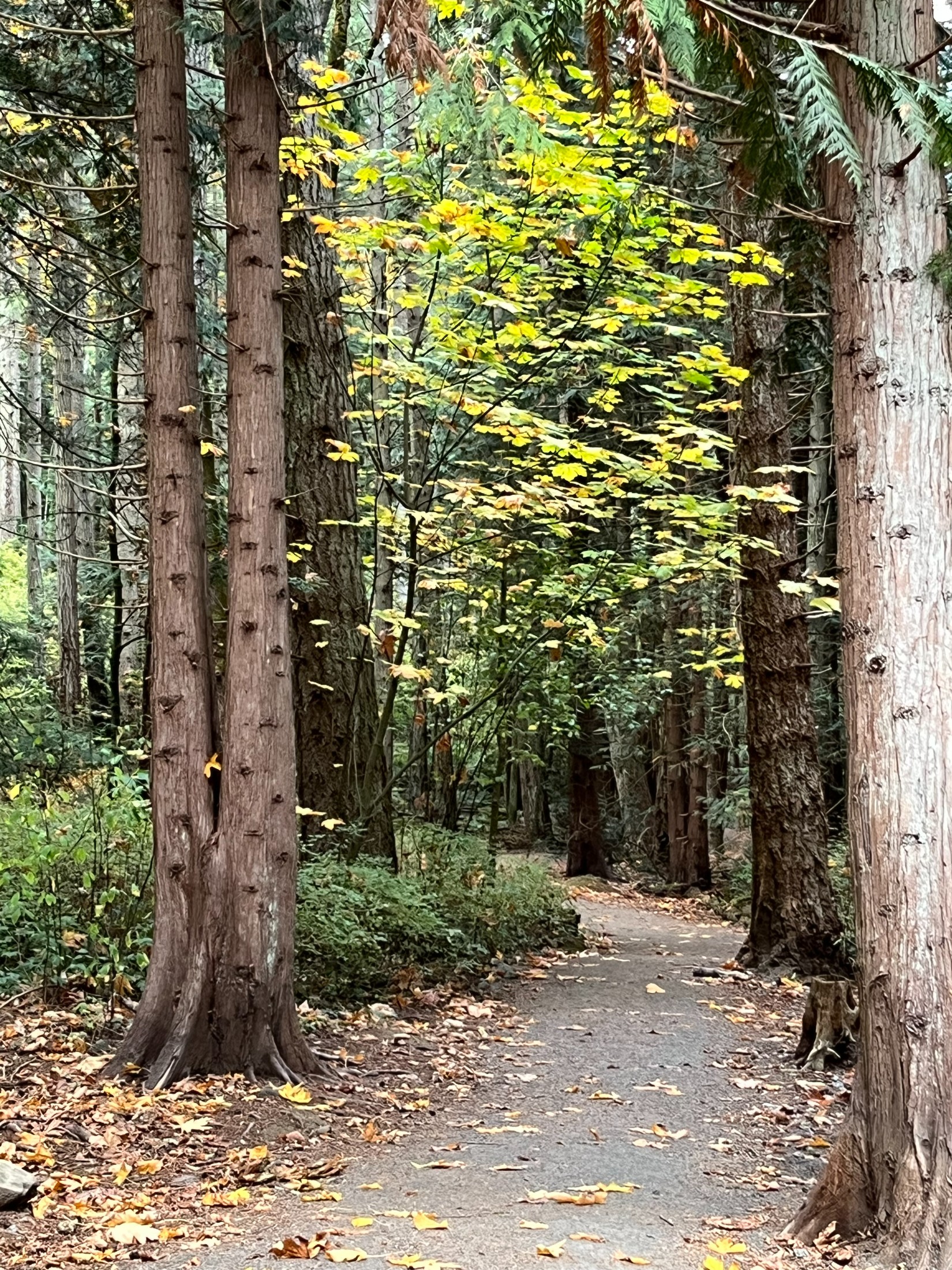
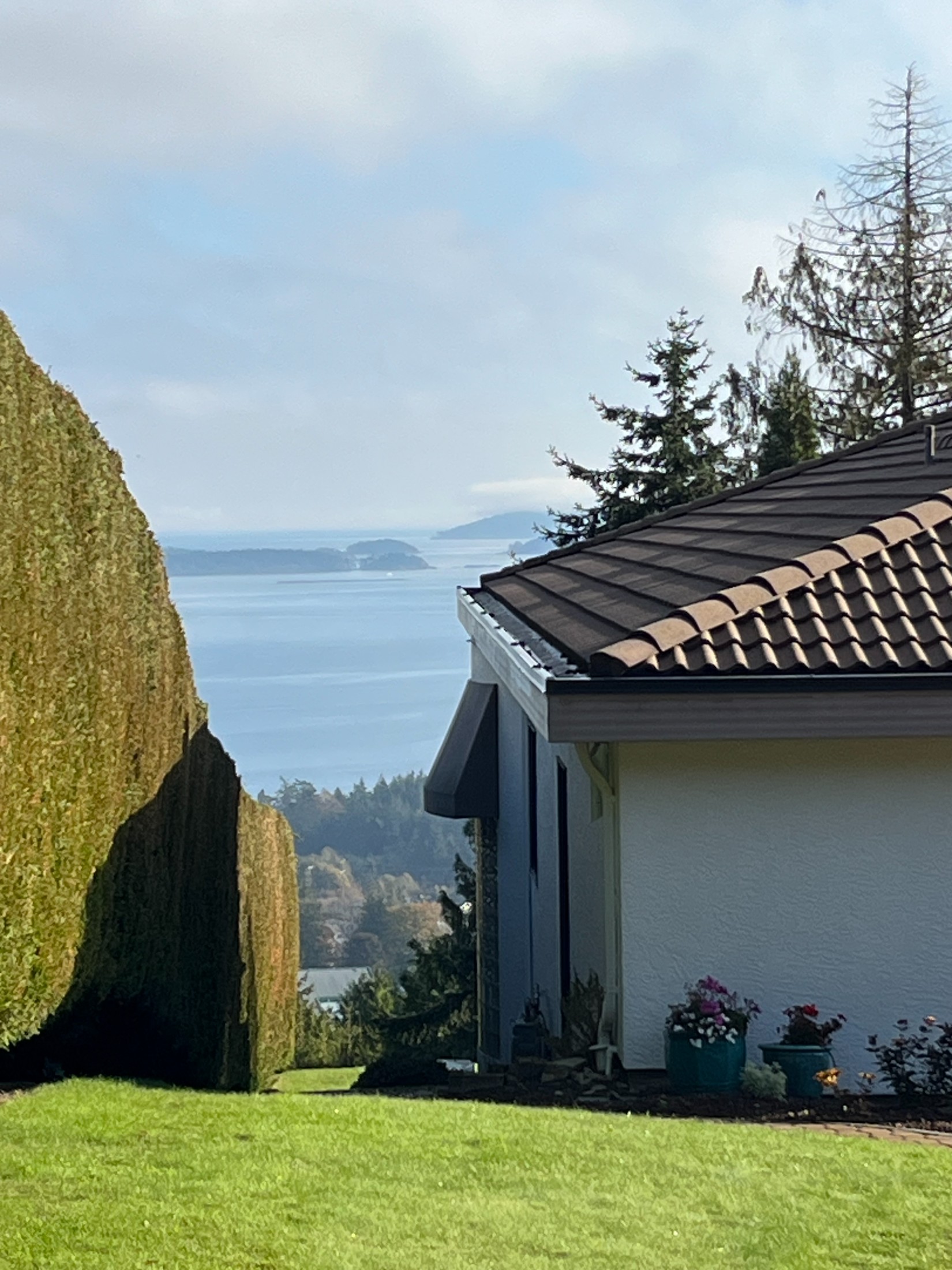
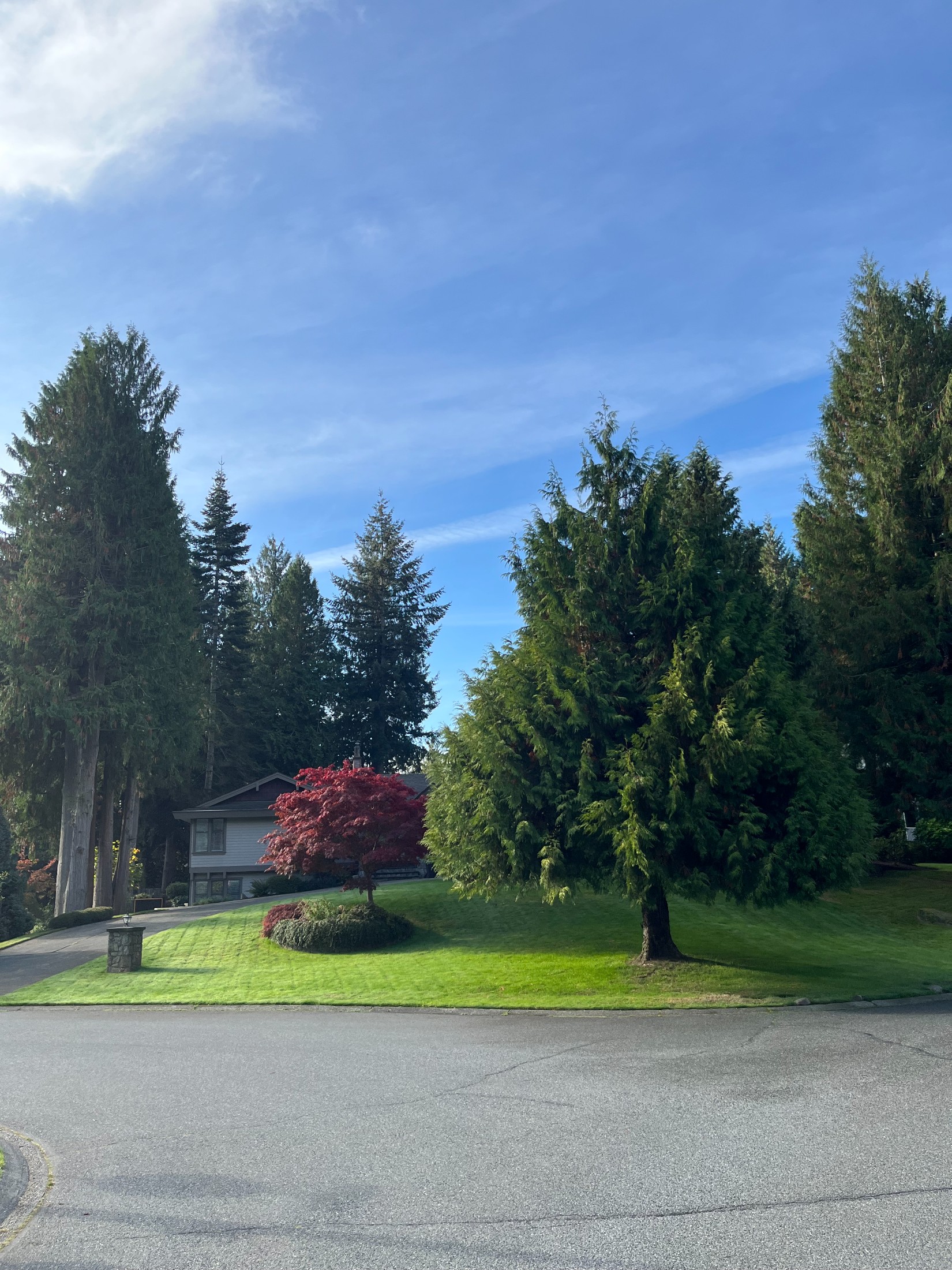
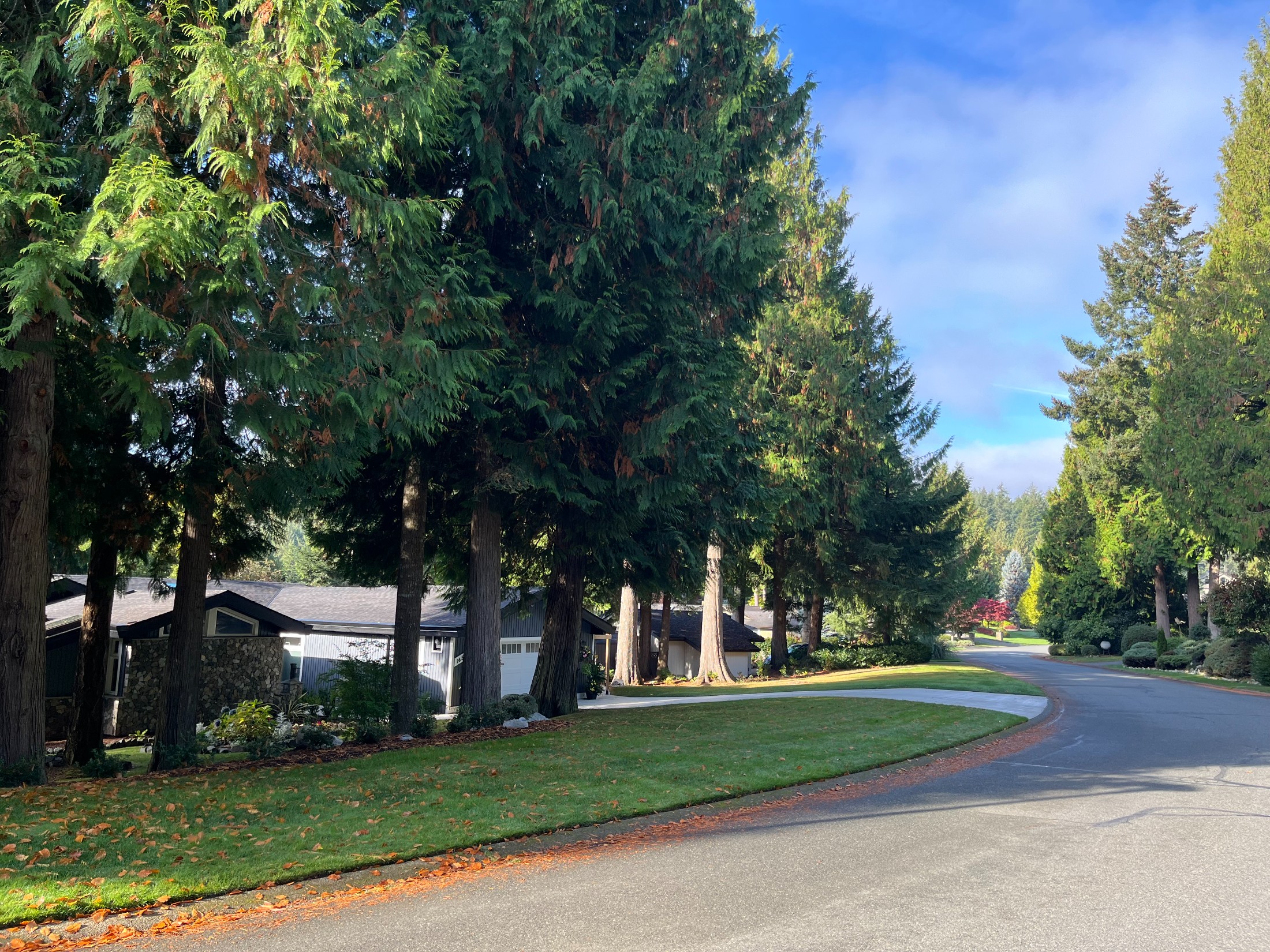
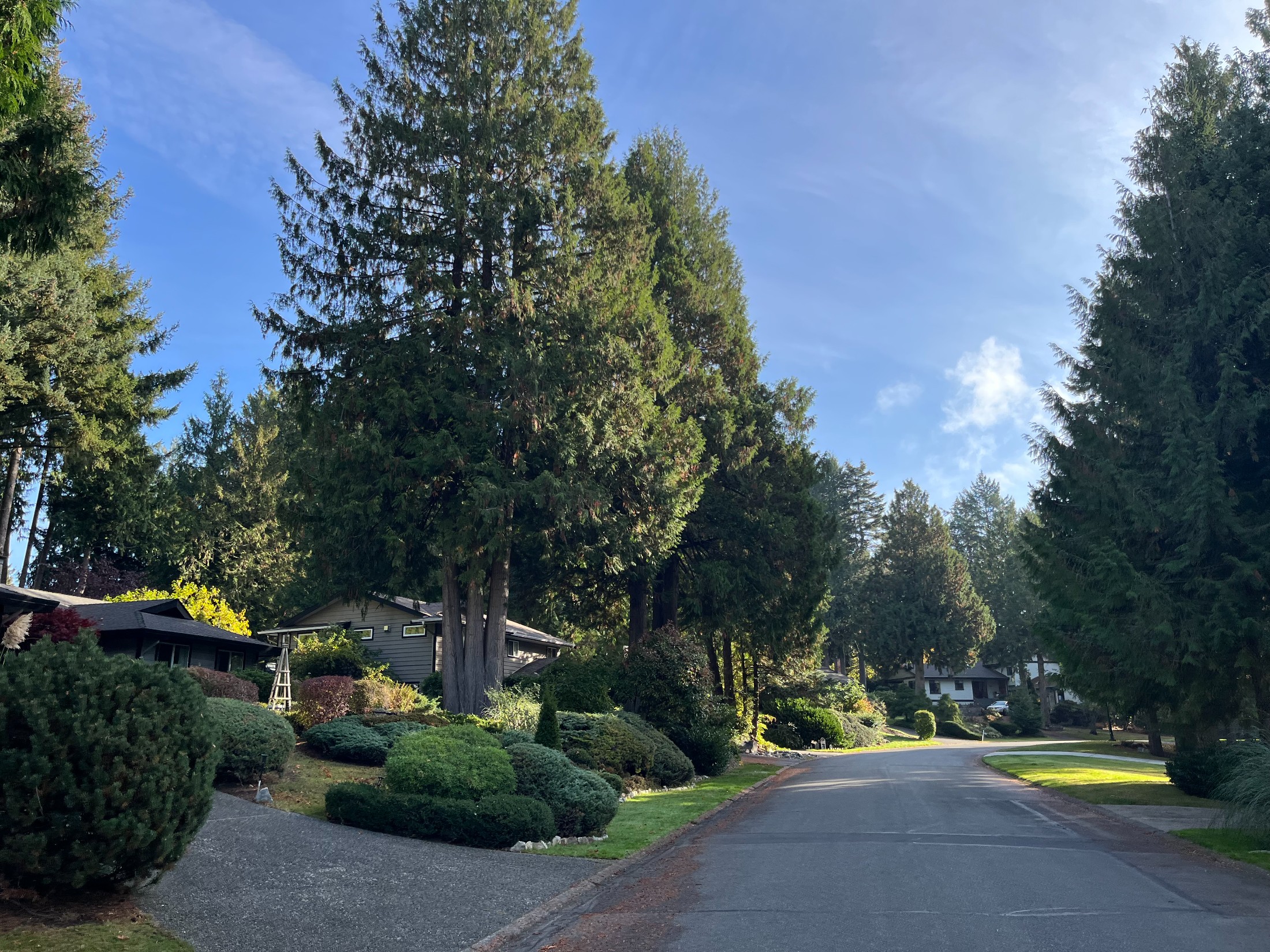
📍Dean Park Estates is for people who want to put down roots. Large lots. Big backyards. Mature landscaping. John Dean Provincial Park hiking trails just steps from your front door. Wide streets. Friendly neighbours. Panoramic ocean views. Quiet cul-de-sacs. These are just some of the many reasons why Dean Park Estates is a neighbourhood on the Saanich Peninsula with extremely low turnover rate. With its close proximity to Sidney, YYJ, and the BC Ferries, and with Panoramic Recreation Centre at the bottom of the hill, living in Dean Park offers well-built, gracious west coast homes in an incredibly quiet, park-like location. It is obvious why this part of North Saanich is a coveted place to call home. Many of the residents here are fortunate enough to have both raised their families and retired here. Nobody builds neighborhoods like Dean Park Estates anymore.
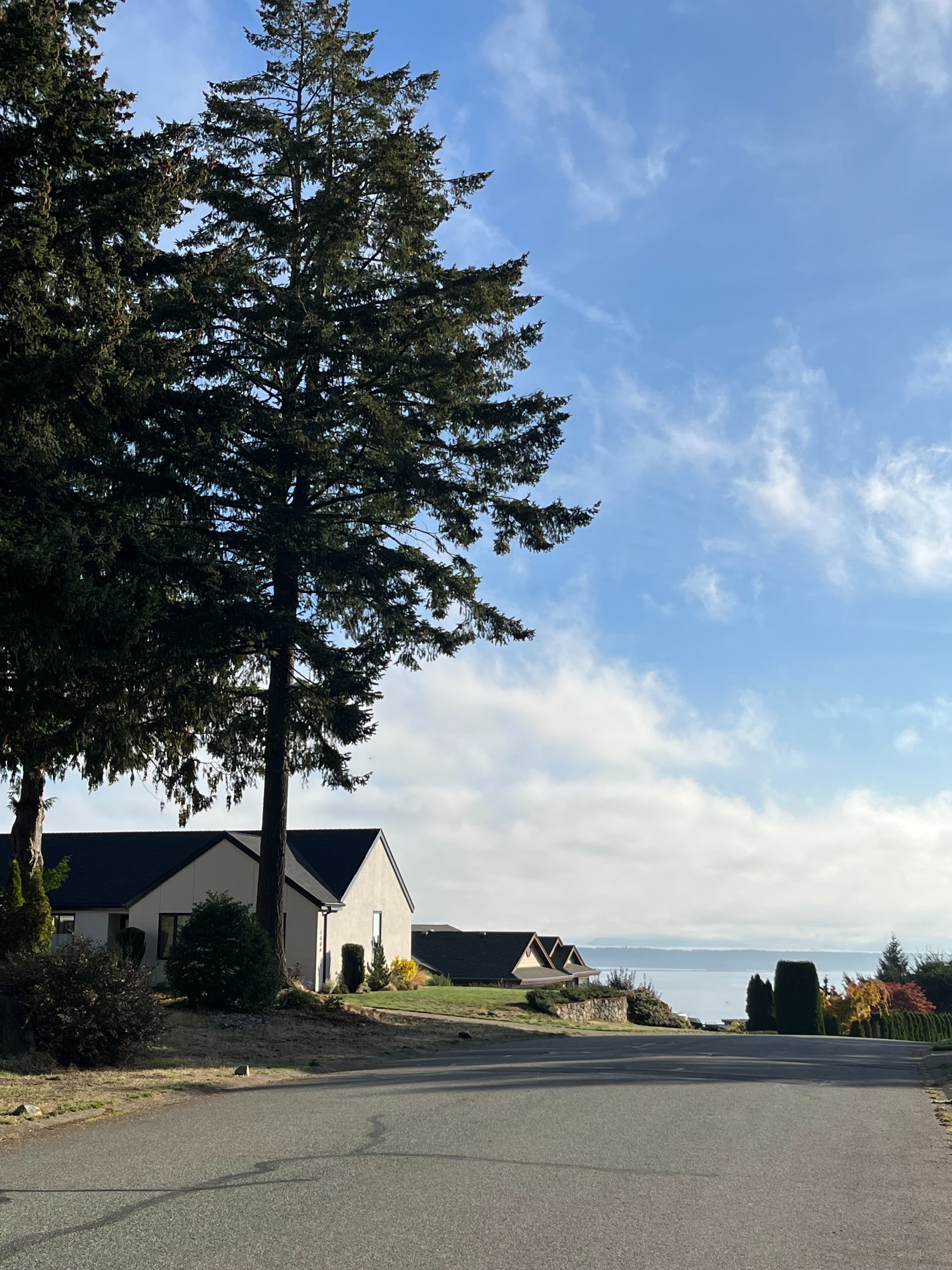
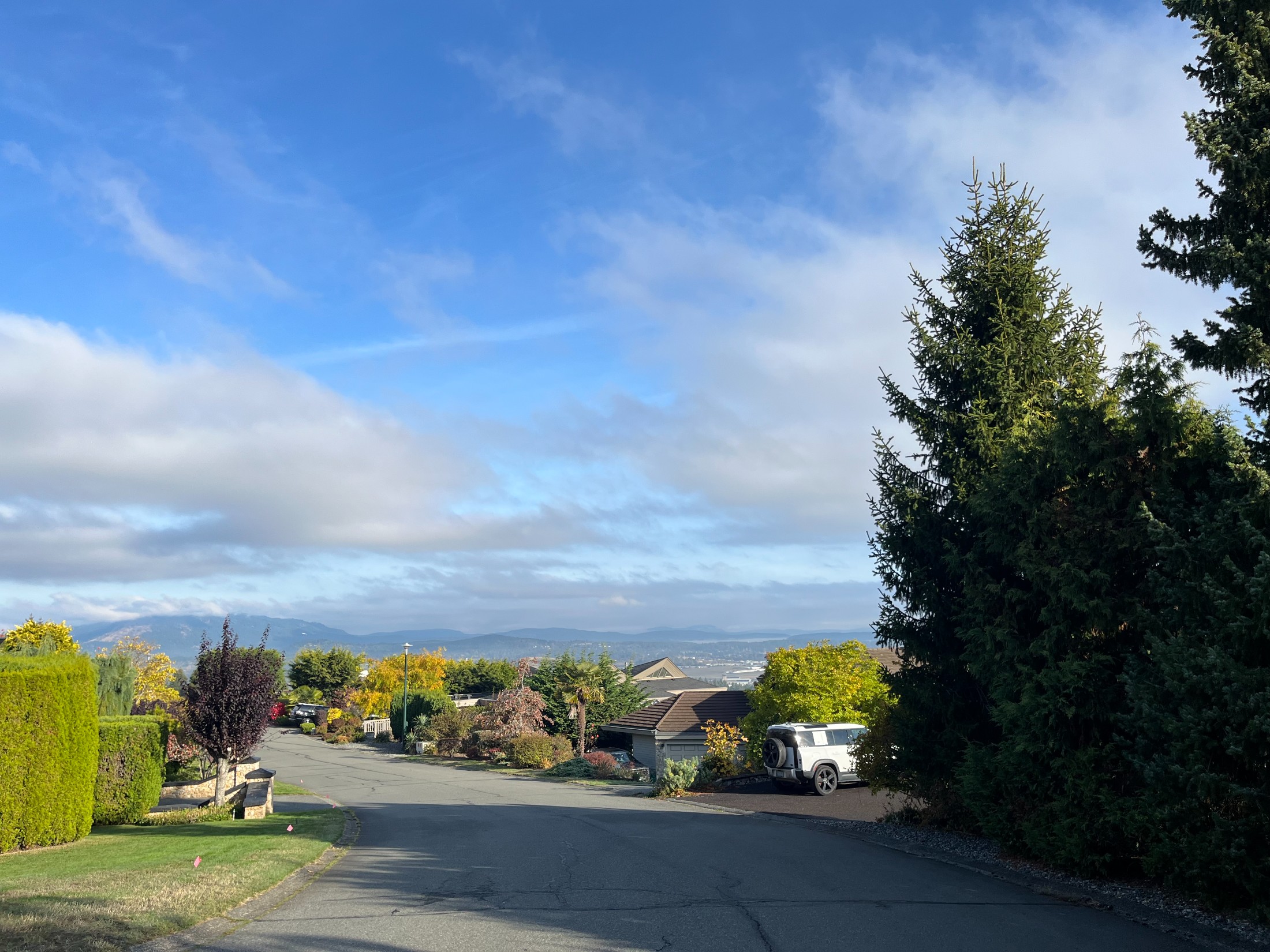
📍 Cordova Bay is a suburban and semi-rural area on the eastern side of the Saanich Peninsula. Here there is a distinctly beachy vibe along the sandy shores of Cordova Bay Beach with a mix of single family dwellings on larger lots, luxurious waterfront properties mixed in with vintage beach cottages, sprawling acreages, terraced hillside properties with panoramic ocean views, and upscale condos and townhouses for downsizers. There are a lot of small public beach accesses within this quieter, relaxed community, and Lochside Regional Trail links many of its neighbourhoods for walkers, runners, and cyclists. Mattick’s Farm is an outdoor shopping area anchored by the Red Barn Market grocery store, Adrienne’s Restaurant and Tea Garden, and a dozen local boutique shops. Mattick’s Farm Mini Golf provides 18 holes of family fun. Just next door, Cordova Bay Golf Club is an excellent 18-hole public course set within a woodsy landscape featuring gorgeous ocean glimpses and incredible views of Mt. Baker in the distance. Living in Cordova Bay does require a car, but there are so many beautiful spots to walk to and Broadmead Village shopping centre is only 10 minutes away for most conveniences. As well, in the last few years The Haro mixed-use development has brought retail, restaurants, and professional services right to the heart of the community. Make sure to try out Gigi’s Italian and Specialty Foods!

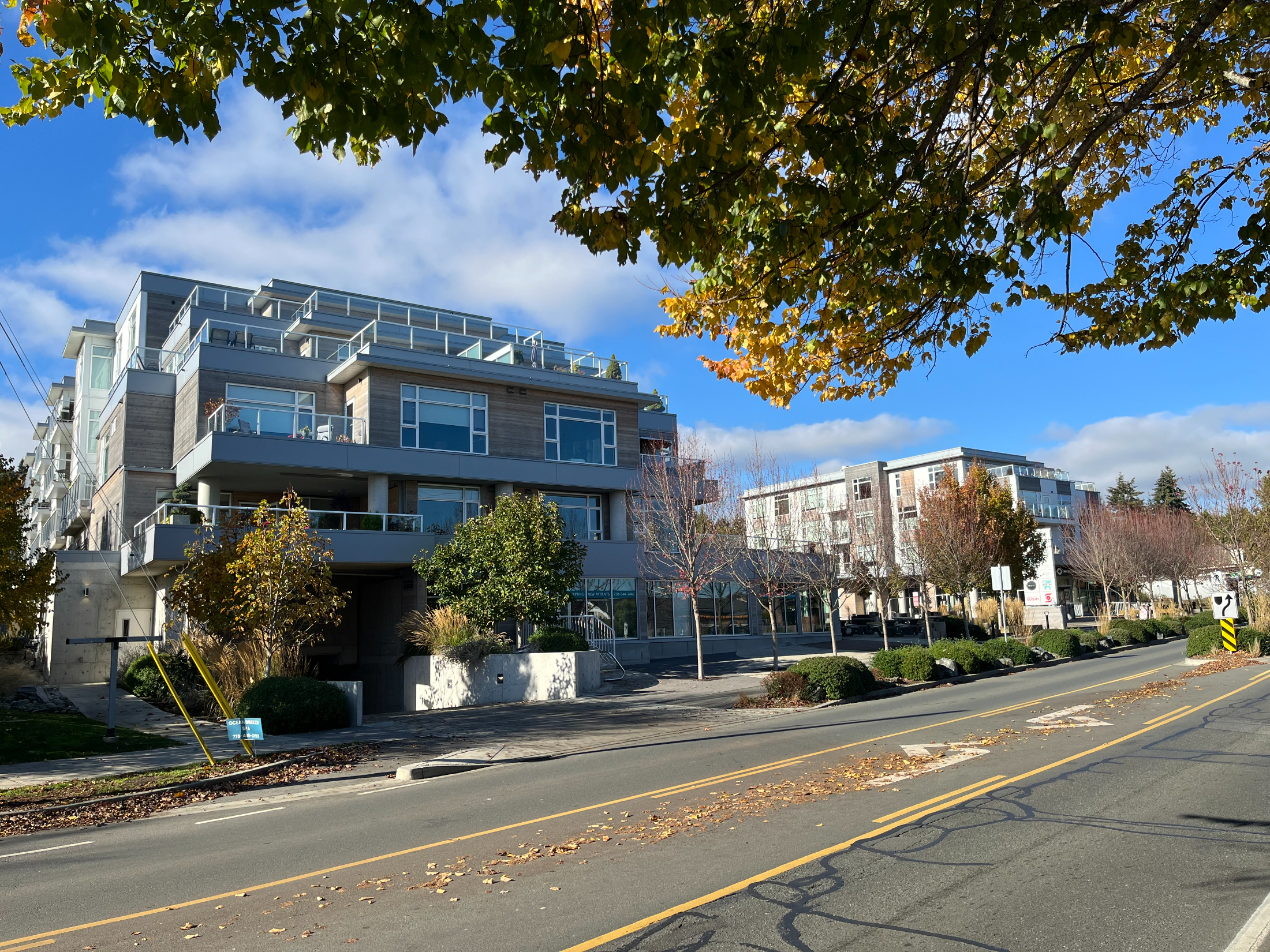
The Saanich Peninsula is full of hidden gems and you don’t have to figure it all out alone. Let’s turn “I’m thinking about moving to the Saanich Peninsula” into a plan. Send me a message with what you’re looking for, where you’re coming from, and what matters most to you. I look forward to meeting with you and helping you find your special piece of the beautiful Saanich Peninsula to call home.


Read

The Real Estate Tug-of-War: How to Determine If It’s a Buyer’s or Seller’s Market Right Now

     People always want to know if it is a buyer’s or seller’s market because it dictates who exactly holds the negotiating power and changes the entire financial strategy of a real estate transaction.

Why Everyone Asks the Question

  • The Fear of Missing Out (FOMO) vs. Regret: Buyers worry about overpaying or getting into a frantic bidding war, while sellers worry about leaving money on the table or having their home sit unsold for months.

  • The Illusion of a Single Market: People often look at national headlines, but real estate is hyper-local. A city, or even a specific neighborhood, can tell a completely different story than the rest of the country.

  • Strategy Overhaul: Knowing the market changes everything—from how fast you have to write an offer and whether you can ask for inspection contingencies, to how you price and stage a house.

 Real Estate Agents Look at a Few Core Metrics to Strip Away the Guesswork

  • Months of Inventory (MOI): How long it would take to sell every home currently listed if no new ones came on the market.

    • Fewer than 4 months = Seller’s market (tight supply, high demand)

    • 4 to 6 months = Balanced market

    • More than 6 months = Buyer’s market (surplus of homes)

  • Days on Market (DOM): How fast houses are flying off the shelves. If homes sell in days with multiple offers, it is a seller's market; if they linger for weeks or months with price cuts, it is a buyer's market.

  • Sale-to-List Price Ratio: Whether homes are selling above asking price (seller's market) or getting discounted down below asking price (buyer's market).    

How to Do the Math:

     The Absorption Rate in real estate measures how fast available properties sell in a specific market over a given period of time.

Absorption Rate % = Number of Homes Sold /  Total Available Homes

Example: If there are 1,000 homes on the market and 100 sell in a single month, the absorption rate is 10% (100 ÷ 1000) which means the market pace is slow and there is a high inventory of homes. These factors combine to give buyers more power in a real estate transaction. This is very much a buyer’s market.

     Flipping the formula to its alternative view calculates Months of Inventory (MOI) and reveals how many months it would take to sell all current inventory if no new homes enter the market: 1,000 homes ÷ 100 homes per month = 10 months of supply. This means that it will take the average home 10 months to sell in the current market if no new inventory is added.

Let’s Apply the Data to the Saanich Peninsula to See How It Works:

Number of Listed For Sale Non-Waterfront Single Family Dwellings on the Saanich Peninsula May - October, 2026

Between May and October of this year there were 743 active listings for Single Family Dwellings not located on the oceanfront for sale on the Saanich Peninsula.

Number of Sold Non-Waterfront SFDs on the Saanich Peninsula May - October, 2026

Between May and October of this year there were 217 sales of non-waterfront Single Family Dwellings on the Saanich Peninsula.

217/743 = absorption rate of 0.29% which means almost 1/3 of the inventory sold.

743/217 = 3.64 means the average Single Family Dwelling on the Saanich Peninsula sold in 3.64 months. According to the research, this signals a seller’s market.

     Interestingly, when I looked up the data for waterfront Single Family Dwellings on the Saanich Peninsula for the same time period, there were 202 available properties listed and only 21 sales. Calculating the Months of Inventory using the above formula 202/21=9.62 reveals that these properties were taking almost 10 months to sell on average. This means that we had a buyer’s market for a very specific type of property within our area!

     By tracking data and using statistics I can determine what kind of real estate market we are experiencing as a city and even hyper-locally and property-type specific. I use objective data to determine the real estate market trend and implement sound, logical reasoning to determine what strategies will create the best economic return for my clients. The value I bring to the table will save you money.

Read

I am a CNE. What is that?!

     I am a Certified Negotiation Expert (CNE). My extensive training has prepared me to offer my buyer and seller clients a financial shield and competitive edge in today’s market. Negotiation happens multiple times throughout a real estate transaction and my training has prepared me to handle high-stress scenarios, such as dealing with uncooperative counter-parties or structural defects, without letting the deal collapse. I combine thorough preparation, emotional intelligence, strategic flexibility, creative problem solving, and persistence to advocate on behalf of my clients, protecting their money and their goals.

  • For Sellers: As a certified negotiation expert, I don't just list your home—I protect your equity. My specialized training ensures we handle lowball offers, aggressive contingencies, negative personalities, and repair requests to net you the highest possible return.

  • For Buyers: In a competitive market, finding the home is only half the battle. I use advanced, data-driven negotiation tactics to save your money. Data shows that only a small percentage of buyers feel their agent negotiated a better price (35%) or better contract terms (42%). My training fills that exact void.

How I Do It:

  1. I prepare thoroughly. By actively listening, I make sure I understand my client’s goals, limits, and bottom line ahead of time. I also invest energy into understanding the other party’s motivations, constraints, and perspective.

  2. I stay calm under pressure and manage high-stress personalities, high-tension emotions, difficult counteroffers, and conflicting transaction objectives between parties with calm, regulated reactions. I remain composed, patient, and an active listener throughout negotiations … treating the process as a structured dialogue. I never take the bait and I am never intimidated. I believe negotiations can be handled professionally with respect, confidence, and politeness.

  3. I help determine my client’s best alternative to a negotiated agreement — enabling their power to walk away— which gives them quiet confidence instead of reactive panic.

  4. I use creativity and problem solving skills to find integrative solutions. I understand that collaborating with favourable trading variable options will get my clients further than making unreciprocated concessions.

    If you are looking to work with a real estate agent who is commited to protecting your money and your goals, then contact me. 

    (250) 899-7188

    risa@risagagner.ca

Read

My Luxury Marketing Media Package with Coldwell Banker Oceanside Real Estate

LUXURY MARKETING SUCCESS = Your Property, My Inspired Storytelling, plus Coldwell Banker Oceanside’s Media Team and Global Marketing Reach

I am so proud and pleased to announce that Coldwell Banker Oceanside Real Estate has just unveiled its new Luxury Marketing Package with a brand new website using my work to highlight how our marketing has been elevated to a whole new level. It showcases my personal strengths as your real estate marketing strategist because the introductory video features a lot of my own work! I write your property’s story, establish the mood, bring all of the props and the people, and curate every detail intentionally to sell the lifestyle inherent with your luxury property. With my media team, we evoke emotion and desire, helping buyers to imagine what their lives could be like living in your home. Make sure to watch the featured video of the Nantucket-inspired oceanfront legacy estate that shows you exactly what I personally bring to the table when marketing your luxury and lifestyle property!

https://luxury.cboceanside.ca/

Read

To Renovate … or Not!

    Home renovations are not for the faint of heart, and I speak from experience. My husband and I are currently living in the home we are renovating and this takes an extra-special kind of perseverance and teamwork. We have been home builders before, and we have also taken care of minor renovations in our previous residences, but this time our current home requires updating in every sense. By the time we are done almost every aspect of our home, both inside and outside, will have been renewed, refreshed, or restored. So why, why, WHY go through the hassle of living through demos, dust, perpetual mess, and things being shuffled from room to room?  

1. You love the neighbourhood.

Sometimes you are already living in your favourite neighbourhood but your home has become dated or the floorplan no longer meets your needs. Sometimes a simple refresh in style or making your square footage suit the stage of life you are in is worth the time and effort to stay where you are, and it usually saves you money in the long run. The kitchen, primary bedroom and ensuite are worth updating if you plan to live in your home for longer because these are the top three rooms where renovation money is seen as a great investment. Maybe you would like to remove or add a suite. Maybe you need a home office instead of a playroom. If you love your neighbours and love the street that you live on, then it is worth the effort to make your home fit and reflect your new stage of life. Save all the hidden costs of selling your home and buying somewhere else, and put those savings into your renovation fund.

2. Your older home needs to stay competitive in today’s market.

Our home was built in 1981, before hot water on demand, heat pumps, air conditioning, and surround sound was a thing. My husband and I know that we love these conveniences in a home, and that to remain comparable to new homes on the market down the road that we would be smart to put our house on equal footing by installing these upgrades. This is not the fun and glamorous part of a renovation. A lot of money goes into the hidden guts of your house that nobody really sees, but that every future buyer will wish for and expect. If you can, make the upgrades early on so that you can enjoy them yourselves for the years you are living there.

3. Rebates!

In an older home there are often areas where multiple inefficiencies are costing you money. Drafty windows cause heat loss during the winter months, generating a higher heating bill, and cause your HVAC system to work harder in the summer when cool air escapes. Older appliances were built to last forever but they usually consume much more energy to function. Window companies, solar energy suppliers, fireplace retrofitting, and energy-efficient heat pumps are often advertised with rebates to offset the purchase cost.

4. You understand the value of “sweat equity.”

My husband and I enjoy investing our time, labour, and skills instead of cash when it comes to increasing our property’s value. Obviously, there is no getting around the cost of hiring professional plumbers, electricians, and HVAC technicians when they are required. It is always cheaper to do something right the first time! I believe in obtaining permits for property renovations that require them. Still, there are so many ways we have contributed our muscle, creativity, and time into projects that will see a future return. We have scraped and resurfaced ceilings, painted rooms, installed flooring and trimwork, hung doors, tiled bathrooms, installed underground irrigation, and landscaped. We didn’t learn everything all at once, and we are perfectionists so it all takes time, but we work well together as a team and enjoy seeing the results of our own hard work. The extra money saved is a very happy side-product, too!

5. You have a good eye and know when a house has “good bones.”

Not everyone has an eye for detail or the ability to spot potential. Some people cannot see past a mess or a terrible paint colour or reimagine furniture placement. The house my husband and I bought last year sat on the market for a while. It was visibly dated with the “wrong” colours, outdated and mixmatched flooring choices, and old appliances. It was a mix of ‘80s and 90’s with an addition to the floorplan that left one specific room in the middle of the home wondering what exactly it was supposed to be! I am sure many prospective buyers saw it online and didn’t give it a second thought. On a boring Saturday I went to its Open House purely because there were only two in the area that day. I knew immediately when I walked into the house that it felt like “home.” Looking around, I saw that our creativity and hard work would have to be applied to every inch, but I knew it was a solid house on a beautiful street in an incredible neighbourhood. I could see the potential. The yard was stunning and the light was wonderful. I even knew exactly what to do with the weird room in the middle of the floorplan … and now my 9’ dining table looks like it was meant for that exact space.

Read

How Well Do You Understand Your BC Assessment?

It is THAT time of year again … when property owners around our province are finding envelopes from BC Assessment in their mailboxes and learning if the assessed values of their homes and land have changed significantly during last year’s cycle. Most property owners are concerned that their property taxes will increase along with an increase in assessed property value, but this is not automatically the case. We also share a concern when property values drop signifcantly. I recently attended Victoria Real Estate Board’s 2026 BC Assessment webinar and would like to share what I learned.

Our BC Assessments are determined July 1st of the previous year, and depend on the physical condition and permitted use of the property as of October 31st. A provincial mass appraisal system considers present use, both orginal cost and replacement cost, property location, a comparison of selling price of land and improvements with similar properties, revenue/rental value, and both functional and economic obsolescence of the current property. Such physical factors like size, age, condition and quality of any buildings and improvements, the shape and topography of the land, and the availability of services are also factored in. 

The basis for current market value is determined by the highest and best use of a property. Assessors must determine the answers to the following four questions: What is physically possible at this site considering location, geotechnical and slope variablities etc? What is legally permissable with respect to zoning bylaws, community plans, and restrictive covenants? What is financially feasible? What is the maximally productive use for the property? Depending on the class of property being assessed, one of three approaches to appraising its value will be used. For example, a direct comparison approach is used to appraise value for Single Family Dwellings based upon what similar properties have been recently selling for. An income approach to assessment is used to appraise commercial/industrial properties that generate income. Thirdly, a cost approach is used to assess those property types that don’t typically trade, such as airports and mills.

There are 9 property classes legislated in BC and assessed every year. Our property tax rates are set by bylaw each spring by our municipal taxing authorities and submitted to the Ministry of Housing and Municipal Affairs for review. The property tax that is payable by property owners every July 1st is the assessed value of the property multiplied by its property tax rate. If your property’s value increases more than average compared to other properties in its property class, then likely your property taxes will also increase. If your property’s value change is lower than the average change for its property class, then your taxes are likely to decrease. If your property’s assessed value change is similar to the average change for its property class, then likely your taxes will not significantly change.

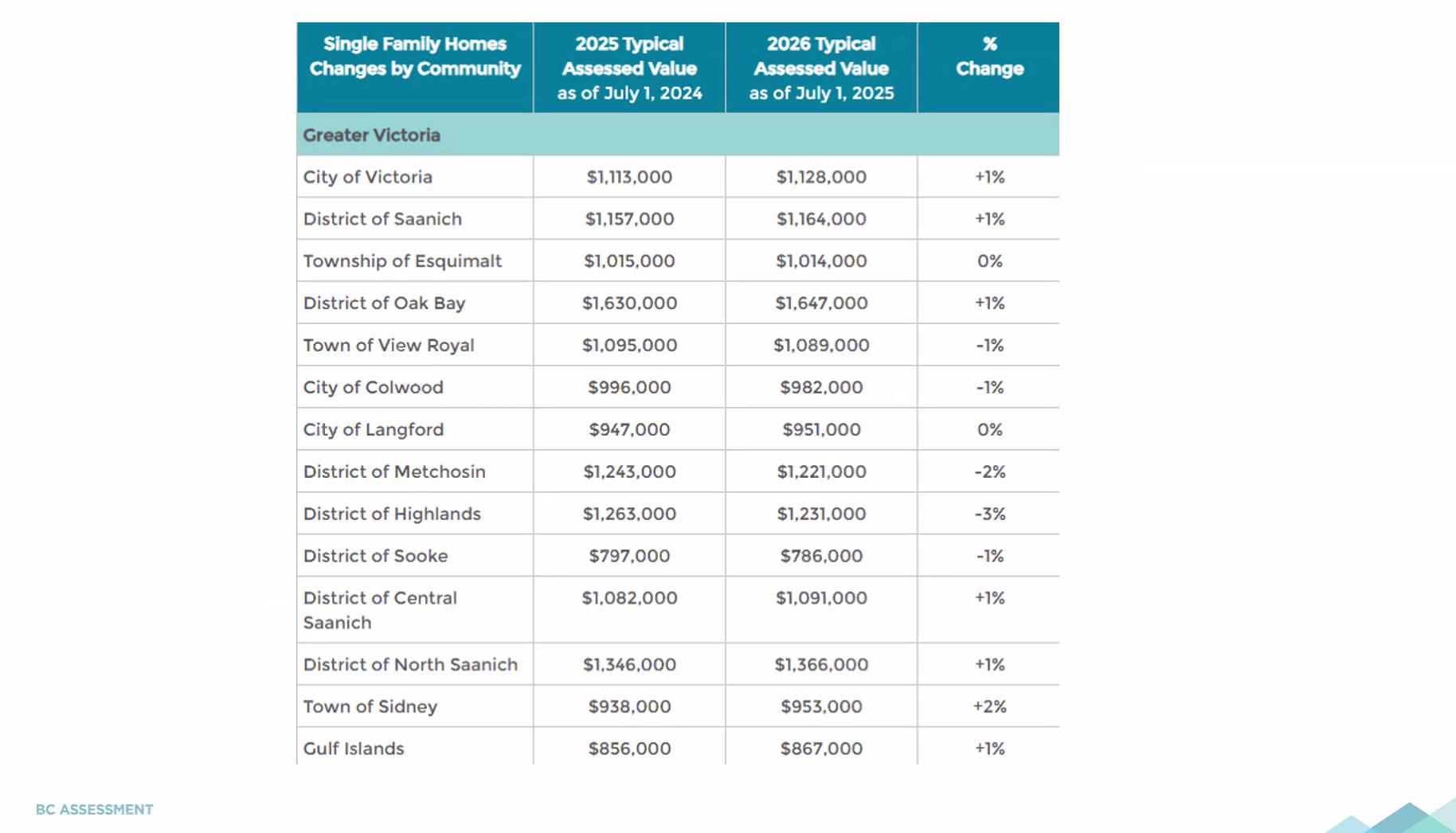
In 2025, the total property value of the assessment roll decreased 2.5% in British Columbia. The good news is that on Vancouver Island the total value of all property values assessed increased 1%. Assessment does change by community and on Vancouver Island both Single Family Dwellings and Strata Properties held pretty stable, between -5% to +5%. In Greater Victoria, Single Family Dwellings trended downwards a slight 1.2% on average. Currently, according to BC Assessment, the hot spots on Vancouver Island that saw the greatest increases in assessed property values are Uclelet (+5%), Zeballos (+5%), and Alert Bay (+7%). 

This interesting chart highlights the changes in the assessment values of single family homes by community in Greater Victoria.

Contact BC Assessment at 1-866-825-8322 to speak with someone about your property assessment concerns. You can also call your local BC Assessment Office by using the phone number printed on your Property Assessment Notice. Your assessment will be corrected if the appraiser is in agreement with you that an error was made. If your concerns are not satisfied then the next step is for you to file a written Notice of Complaint with your local BC Assessment Office to seek an independent review. This year, because January 31 falls on a weekend, the last date to submit your written request is February 2, 2026.

Read
MLS® property information is provided under copyright© by the Vancouver Island Real Estate Board and Victoria Real Estate Board. The information is from sources deemed reliable, but should not be relied upon without independent verification.